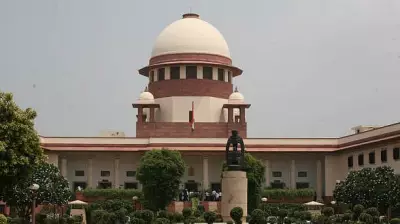
The Supreme Court on Thursday directed the Central government and the National Testing Agency (NTA) to file a detailed affidavit outlining the reforms undertaken to prevent future paper leaks in the NEET examination. The apex court emphasized that it would closely monitor the implementation of these measures, insisting on institutionalised reforms rather than ad hoc solutions.
Court's Stand on Institutional Reforms
Hearing the NEET paper leak row, a bench of Justices Vikram Nath and Ahsanuddin Amanullah observed that the recurring nature of such leaks calls for systemic changes. "We will closely monitor it," the bench stated, making it clear that the affidavit must go beyond temporary fixes. The court wants a clear roadmap of how the NTA plans to safeguard the examination process permanently.
Background of the Case
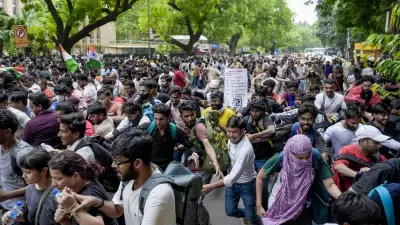
The NEET-UG 2024 paper leak had sparked nationwide protests, with students demanding a re-examination and strict action against culprits. The Supreme Court had previously formed a committee to investigate the leak. In July 2024, the court had upheld the exam but ordered enhanced security for future sessions. However, fresh incidents of malpractice prompted the court to seek concrete action plans.

According to sources, the NTA has already introduced biometric verification and encrypted question paper transmission in some centers, but the court found these measures insufficient. The bench noted that reliance on ad hoc measures creates uncertainty and undermines the credibility of India's largest medical entrance exam.
What the Affidavit Must Include
The Supreme Court directed that the affidavit should cover:
- Details of digital encryption and chain-of-custody protocols for question papers.
- Measures to ensure end-to-end monitoring of exam centers via CCTV and AI-based surveillance.
- Timelines for implementing a zero-tolerance policy against malpractices.
- Steps to strengthen the confidentiality of question paper printing and transportation.
The court also asked for a status report on pending investigations into the 2024 leak. It warned that non-compliance would be viewed seriously.
Reactions and Next Steps
Student bodies welcomed the court's proactive stance. "We hope the affidavit leads to real change. Students' future cannot be gambled with each year," said a representative of the All India Students' Association. The NTA has been given two weeks to file its response, after which the court will review progress.
The case is likely to set a precedent for other high-stakes exams like JEE and UGC NET, which have also faced security breaches. Legal experts view this as a crucial moment for examination reform in India.