Protein is an essential macronutrient that plays a critical role in building and repairing tissues, producing enzymes and hormones, and supporting overall health. When your body does not get enough protein, it can manifest in various signs and symptoms. Here are five common indicators that you may need to increase your protein intake.
1. Persistent Fatigue and Weakness
One of the earliest signs of protein deficiency is constant tiredness and lack of energy. Protein helps in the production of hemoglobin, which carries oxygen to your cells. Without adequate protein, your body may struggle to deliver oxygen efficiently, leading to fatigue and muscle weakness.
2. Hair, Skin, and Nail Problems
Protein is a building block for hair, skin, and nails. A deficiency can cause hair thinning, brittle nails, and dry, flaky skin. If you notice increased hair fall or slow nail growth, it might be time to evaluate your protein consumption.

3. Frequent Illness and Slow Healing
Protein is vital for a strong immune system. Antibodies and immune cells rely on protein to function properly. Insufficient protein can lead to frequent infections and slow wound healing, as the body lacks the resources to repair tissues quickly.
4. Swelling in Extremities
Low protein levels can cause fluid accumulation in tissues, leading to edema, particularly in the feet, ankles, and hands. This occurs because protein helps maintain fluid balance in the body. If you experience unexplained swelling, it could be a sign of protein deficiency.
5. Cravings for Unhealthy Foods
Protein is known to promote satiety and stabilize blood sugar levels. When you don't get enough, your body may crave high-sugar or high-fat foods to compensate for the lack of energy. This can lead to overeating and weight gain over time.
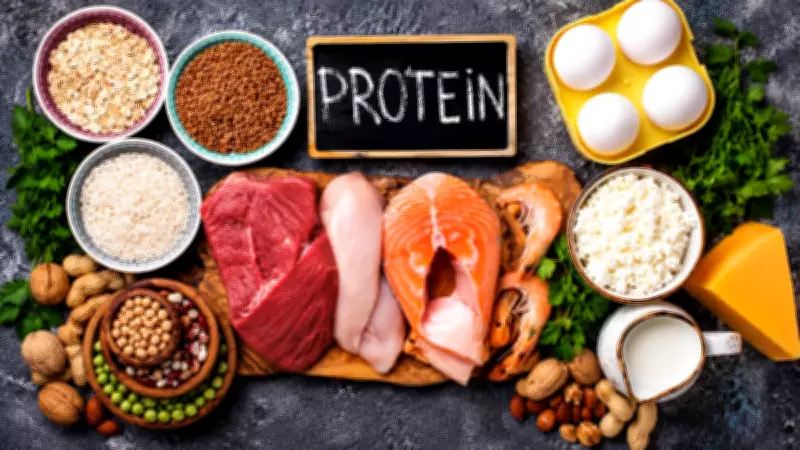
If you experience any of these signs, consider incorporating more protein-rich foods into your diet, such as lean meats, eggs, dairy, legumes, nuts, and seeds. Consult a healthcare professional for personalized advice.