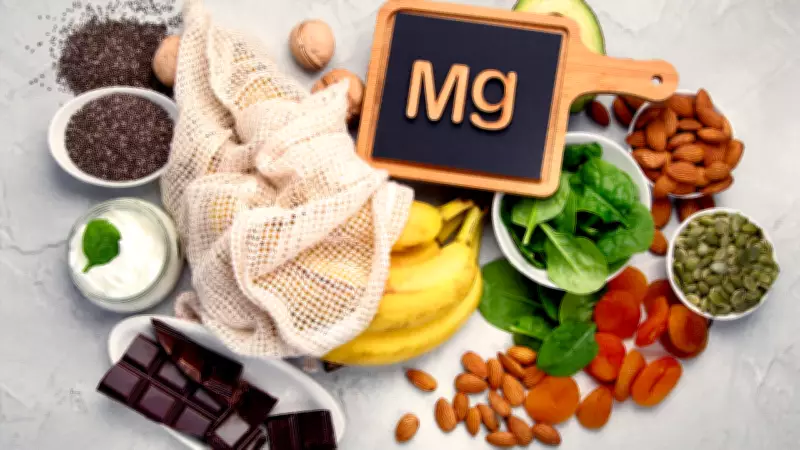
6 Magnesium-Rich Fruits Your Body Needs Daily
There is something strangely comforting about eating fruit. It feels light, familiar, and effortless. But hidden inside many fruits are nutrients the body relies on far more than most people realise. Magnesium is one of them.
This mineral works behind the scenes. It helps muscles relax, supports nerve function, keeps the heartbeat steady, and even plays a role in sleep and mood. Yet many people do not get enough of it through their daily meals. According to the National Institutes of Health Office of Dietary Supplements, magnesium is involved in more than 300 enzyme reactions in the body. Low intake has also been linked with issues like fatigue, muscle cramps, and poor sleep quality.
While nuts and seeds are usually praised as magnesium-rich foods, fruits deserve more attention than they get. Some fruits quietly contribute meaningful amounts of magnesium while also offering fibre, antioxidants, and hydration. And unlike supplements, they arrive in the gentlest form possible: natural food.

Here are six fruits that bring more magnesium to the plate than many people expect.
Dried Figs
Dried figs rarely become the star of nutrition conversations, but they quietly deserve a seat at the table. One cup of dried figs offers roughly 101 mg of magnesium, making them one of the richest fruit sources of this mineral.
What makes figs particularly interesting is their balance. They are naturally sweet, but they also provide fibre, potassium, and calcium. That combination can support digestion and help the body maintain healthy muscle and nerve function.
Many people reach for packaged sweets during afternoon energy crashes. A few dried figs paired with plain yoghurt or nuts can satisfy that craving while adding actual nutritional value instead of empty calories.
Still, moderation matters. Dried fruits contain concentrated natural sugars, so portion control is important, especially for people managing blood sugar levels.
Avocado
Avocado often enters conversations because of healthy fats, but its magnesium content deserves equal applause. One cup of cubed avocado provides around 43.5 mg of magnesium.
Unlike crash-inducing snacks, avocado digests slowly. That steady release of energy is one reason many nutrition experts recommend it for breakfast or lunch. Magnesium adds another layer of value because it supports muscle recovery and nerve communication.
There is also growing scientific interest in how magnesium-rich diets may support heart health. Avocado’s texture also changes how people eat. It encourages slower meals. A slice spread over toast with lemon and pepper often feels more satisfying than ultra-processed snacks eaten mindlessly in front of screens.
Bananas
Bananas carry a reputation for potassium, but one medium banana also contains about 32 mg of magnesium.
This matters more than it appears. Magnesium and potassium often work together inside the body, especially when it comes to muscle function and hydration balance. That is one reason bananas remain popular among athletes and people recovering from physical exhaustion.
There is also an emotional familiarity attached to bananas. They are affordable, easy to digest, and available almost everywhere. In homes across India, bananas are often the fruit people eat without overthinking. Sometimes the healthiest habits are the simplest ones repeated daily.
Bananas may not carry the glamour of imported superfoods, but they quietly do their job well.
Blackberries
One cup of blackberries provides around 29 mg of magnesium, along with fibre and antioxidants that support overall health.
But blackberries bring something else to the table: complexity. Their taste is slightly sweet, slightly tart, and far more layered than overly sugary processed foods. That balance often helps people appreciate natural flavours again.
Their deep colour comes from anthocyanins, plant compounds that have been studied for antioxidant properties. Fresh blackberries are not always easy to find everywhere, but frozen versions usually retain much of their nutritional value and can be added to smoothies or oats.
Sometimes nutrition is not about dramatic transformation. It is about small, consistent upgrades.

Guava
Guava is often discussed for vitamin C, yet one cup also offers roughly 36.4 mg of magnesium.
This fruit has a refreshing sharpness that feels especially welcome during hot weather. But nutritionally, guava is far more impressive than many people realise. It combines fibre, antioxidants, and magnesium in a relatively low-calorie package.
In many Indian households, guava is still sold by street vendors sprinkled with salt and chilli powder. That simple preparation has survived generations because it works. The fruit feels satisfying without feeling heavy.
Guava may not carry luxury branding, but nutritionally, it punches far above its weight.
Papaya
One small papaya provides roughly 33 mg of magnesium along with digestive enzymes that many people already associate with gut health.
Papaya often becomes the “recovery fruit” in households. It is offered when someone feels bloated, tired, or slightly unwell. That reputation is not entirely cultural folklore. Papaya contains papain, an enzyme known to support digestion.
Its soft texture also makes it easier for older adults or people with sensitive digestion to include fruit regularly without discomfort.
There is something calming about papaya. It is not flashy. It does not trend online every week. Yet it continues to remain relevant because it supports the body quietly and consistently.
And perhaps that is the larger lesson with magnesium-rich foods too. The body often thrives not through extremes, but through steady nourishment repeated over time.
Why Magnesium Matters More Today Than Before
Modern eating habits have changed dramatically. Meals are quicker, more processed, and often stripped of natural minerals. Stress levels are also higher, and some studies suggest chronic stress may affect magnesium balance in the body.
That does not mean every person needs supplements immediately. In many cases, improving food choices can help increase magnesium intake naturally.
Fruits alone may not fulfil the entire daily magnesium requirement, but they can contribute meaningfully while also bringing hydration, fibre, and antioxidants into the diet. That combination matters because nutrients rarely work in isolation inside the human body.
A plate filled with colourful fruits may look simple, but biologically, it is doing far more work than most people realise.
Disclaimer: This article is for informational purposes only and does not replace professional medical advice, diagnosis, or treatment. Nutritional needs vary from person to person. Individuals with kidney disorders, diabetes, or other medical conditions should consult a qualified healthcare professional before making major dietary changes.