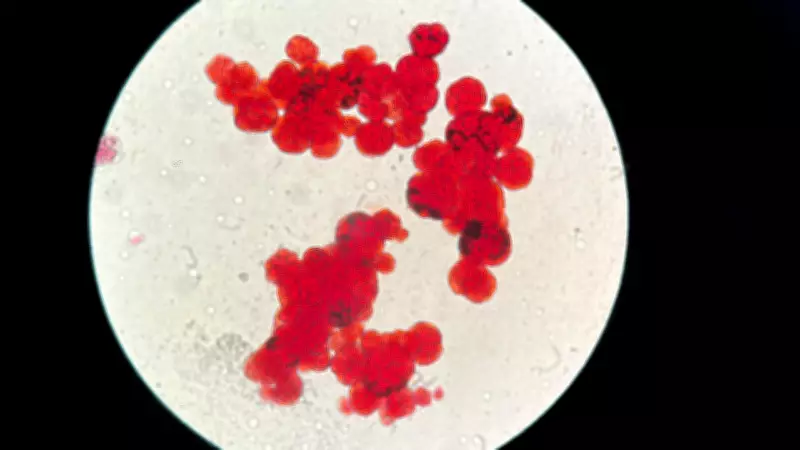
Ancient Sheep DNA Reveals 4,000-Year-Old Plague Origins, Shedding Light on Early Pandemics
In a groundbreaking scientific breakthrough, researchers have unearthed DNA from Yersinia pestis, the bacterium responsible for the plague, in the remains of a domesticated sheep dating back 4,000 years. This discovery, made in the Bronze Age settlement of Arkaim in the southern Ural Mountains of Eurasia, marks the first time plague DNA has been retrieved from such an ancient nonhuman host, offering unprecedented insights into the history of one of humanity's deadliest diseases.
Unveiling the Past: A Milestone in Ancient Pathogen Genomics
The study, published in the prestigious journal Cell, represents a significant leap in the field of ancient pathogen genomics. Archaeologist Taylor Hermes emphasized in a press release to Discover Magazine that this is the first recovery of a Yersinia pestis genome from a non-human sample. Previously, most ancient plague DNA had been isolated from human remains, particularly teeth and bones of infected individuals. This new finding shifts the narrative, suggesting animals played a more substantial role in disease transmission than previously acknowledged.
Bronze Age Dynamics: How the Plague May Have Spread
During the Bronze Age, increased contact between humans and animals created an ideal environment for pathogen transmission. Interestingly, the early strains of Yersinia pestis identified in this research lacked the genetic traits for flea-borne spread, which fueled the medieval Black Death. Instead, scientists hypothesize the plague could have disseminated through:

- Direct contact with infected animals
- Contaminated food sources
- Respiratory droplets
The infection in the sheep underscores a complex web of human-animal interactions that facilitated the disease's spread across vast distances, potentially through herding and migration patterns, as highlighted by research from the American Society of Microbiology.
Modern Implications: Lessons from Ancient Zoonotic Diseases
While this discovery revolves around a 4,000-year-old plague, its relevance today is profound. Many contemporary infectious diseases, such as COVID-19, are zoonotic, originating in animals before jumping to humans. This study serves as a stark reminder of the long-standing interconnection between human health and the natural world. By analyzing ancient DNA, scientists not only unravel historical mysteries but also enhance our understanding of pandemic origins, offering valuable perspectives for current and future public health challenges.
In essence, the hidden DNA of an ancient sheep has unlocked a pivotal chapter in the saga of pandemics, bridging past and present to illuminate the enduring impact of zoonotic diseases on global health.