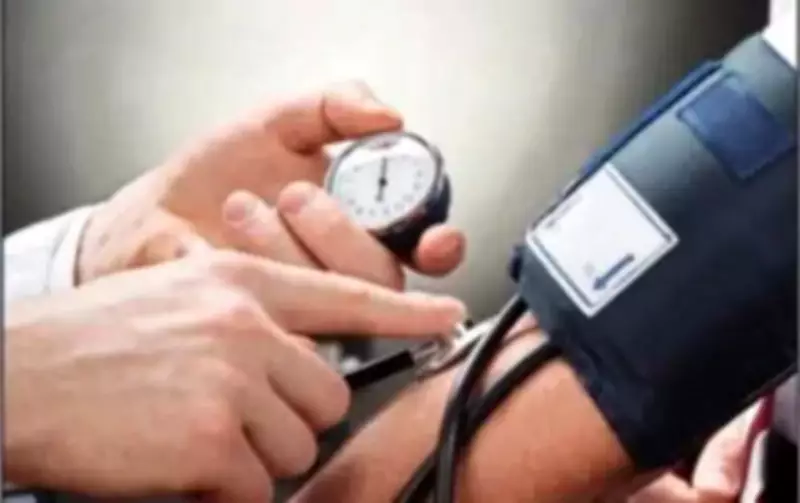
Bengaluru: Your daily fix of instant ramen, gobi manchurian, and hot chips might be silently contributing to your rising blood pressure, doctors warn, as these sodium-heavy foods can exceed the recommended daily intake in just one meal. With an increasing number of youngsters being diagnosed with hypertension, medical professionals highlight that packaged and processed foods are playing a key role in this health crisis.
The Sodium Problem in Packaged Foods
According to doctors, instant noodles are among the biggest contributors. Dr. Pradeep Kumar D, senior consultant in cardiology at Sakra World Hospital, explained that a single packet of ramen or instant noodles typically contains between 1,200 and 2,000 mg of salt. The World Health Organization recommends consuming less than 2,000 mg of sodium, or about one teaspoon of salt, per day. This means a single packet can supply between 60 and 100 percent of the daily salt intake limit. Once other foods are consumed throughout the day, the limit is easily surpassed.
Urban Diets and Hidden Sodium
Doctors also point to the frequent consumption of fried snacks and restaurant food in urban areas. Dr. Sandeep S Reddy, consultant in the department of general medicine at Ramaiah Memorial Hospital, noted that mean salt consumption in urban areas has reached 9.2 grams per day. Snacks like gobi manchurian, chakli, and packaged popcorn are major contributors to high blood pressure because of their extremely high salt content, used for flavor and preservation. Restaurant-prepared gobi manchurian frequently relies on heavy amounts of soy sauce and ketchup, occasionally packing over 4,300 mg of sodium into a single serving.

How Sodium Affects the Body
Dr. Ramakrishnakumar S, consultant cardiology-adult at Narayana Health City, explained the impact of excessive sodium on the body. When high levels of sodium are ingested, the body enters a state of water retention to dilute the excess salt in the bloodstream. Sodium pulls water into the blood vessels, increasing the total volume of blood the heart must pump. This causes an immediate, temporary spike in blood pressure. Over time, these frequent spikes damage the delicate lining of the blood vessels, leading to chronic issues.
The Hidden Threat
Doctors emphasize that sodium often goes unnoticed compared to sugar or oil, making it a hidden threat in modern diets. Dr. Ramakrishnakumar noted that hidden sodium is particularly dangerous because it is difficult to identify. While oil is visible and sugar can be tasted, sodium is often masked by other flavors or used as a leavening agent in baked goods. Even healthy-looking items like bread and salad dressings are loaded with it. This leads to accidental overconsumption, where individuals may believe they are eating clean while actually doubling their required salt intake.
Mindful Consumption, Not Avoidance
However, doctors stressed that people do not need to completely avoid their favorite foods but should focus on mindful consumption. Dr. Kumar suggested that youngsters can dramatically reduce their sodium intake without sacrificing taste by adopting low-sodium salt substitutes enriched with potassium for daily cooking. Additionally, minimizing the use of commercial seasonings and preparing meals with fresh ingredients can drastically cut hidden sodium while preserving food quality.
Regular Health Checks Recommended
Doctors also advised youngsters to undergo regular baseline blood pressure tests every year, as lifestyle factors remain one of the major contributors to hypertension.

Ways to Reduce Sodium Intake
- Use only 50 percent of the tastemaker or masala provided in instant foods.
- Increase intake of potassium-rich foods such as bananas, spinach, and coconut water.
- Choose products with less than 120 mg of sodium per 100 grams.
- Reduce consumption of packaged snacks.
- Use natural spices, herbs, and lemon instead of excess salt.