Ahmedabad Civil Hospital Achieves Landmark 1,000 Organ and Tissue Donations
In a significant development for healthcare in Gujarat, the Ahmedabad Civil Hospital has surpassed the milestone of 1,000 organ and tissue donations. This achievement was marked on Monday when a family from Sankheda generously donated the organs of 60-year-old brain-dead patient Ramesh Tadvi. The donation included two kidneys, two corneas, and a liver, which will be transplanted at the hospital to provide a new lease of life to patients on waiting lists.
Five-Year Journey to a Major Healthcare Milestone
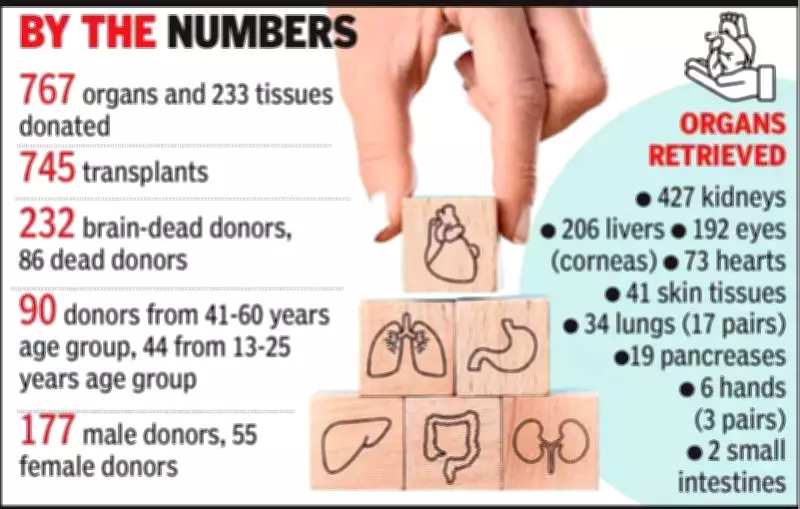
Medical Superintendent Dr. Rakesh Joshi announced that the hospital reached this landmark in five years and 87 days. He detailed that the donations comprise 767 organs and 233 tissues, describing it as a major achievement not only for a public-sector hospital but also for the state's broader health sector. The donation pool involved 232 patients declared brain-dead and 86 donors declared dead, with the youngest donor being 15 years old and the oldest 81.
Record-Breaking Donations and Demographic Insights
In 2021, the hospital recorded its highest number of cadaver donations at 70, accounting for 30% of the total donations to date. Nearly 39% of these cadaver donations came from donors in the 41-60 age group. Dr. Joshi attributed the rise in donations to growing public awareness about organ donation and the sustained efforts of dedicated counsellors who work tirelessly to educate and support families during difficult times.

The Crucial Role of Counselling in Organ Donation
Dr. Abhishek Barot, a counsellor at the Civil Hospital trauma centre, emphasized the challenges in helping families understand brain death. He noted that families often grapple with intense emotions while accepting that treatment has ended and recovery is not possible. The decision for cadaver donation is made collectively in consultation with the patient's extended family. Recalling a case from last year, Dr. Barot shared that counsellers held approximately seven sessions over 24 hours after a woman's death, ultimately leading the family to agree to donate her organs. Dr. Barot has counselled around 100 families so far, highlighting the critical role of these professionals in facilitating life-saving donations.
This milestone underscores the importance of community support and medical dedication in advancing organ donation initiatives, setting a positive example for healthcare institutions across the region.