Officer Girish Bhatt Collapses During Workout
A 38-year-old Special Operations Group (SOG) officer from Uttarakhand's Champawat district, Girish Bhatt, died after feeling unwell and collapsing while working out at a gym. He was rushed to a hospital but was declared dead. The exact cause of death has not been officially confirmed. Bhatt, remembered as a dedicated officer, is survived by his wife and two sons. His death followed a similar case involving a young bodybuilder in Karnataka, sparking renewed concerns about sudden medical emergencies during exercise.
Fitness and Health Are Not Synonymous
Many assume serious heart problems only affect those who are overweight or inactive, but medical experts caution otherwise. Dr. Rachit Gulati, Head of the Department of Physical Medicine and Rehabilitation at ISIC Multispeciality Hospital, stated, "Unfortunately, when a seemingly healthy person dies in a fitness activity, this is a reminder that fitness and health are not synonymous. Exercise is one of the greatest investments we can make in our health, but so is an understanding of what our body can and cannot do, as well as an understanding of our underlying health conditions." Hidden issues like high blood pressure, abnormal heart rhythms, narrowed blood vessels, and inherited cardiac conditions often go unnoticed for years. Intense physical stress can expose these silent problems. According to the US Centers for Disease Control and Prevention (CDC), sudden cardiac arrest occurs when the heart unexpectedly stops beating due to electrical disturbances, often in people with undiagnosed heart conditions.
Warning Signs Often Dismissed
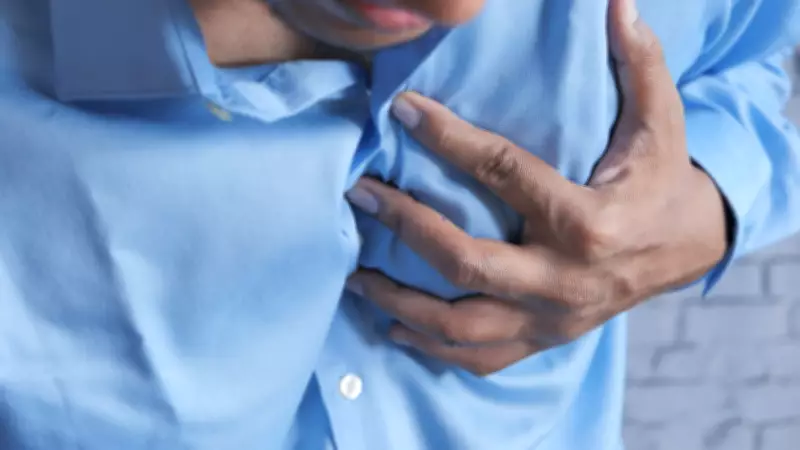
Dr. Gulati explained that warning symptoms such as unusual breathlessness, chest discomfort, dizziness, palpitations, or extreme fatigue may appear earlier but are often dismissed as typical exercise fatigue. "It's a common misconception that a person can only experience serious medical events when sedentary," he added. The body often sends signals before a crisis, but they are easy to ignore.

Extra Precautions for Certain Individuals
People over 35, those with a family history of heart disease, diabetes, obesity, smoking, or hypertension should undergo regular health checks and cardiac monitoring before strenuous activity. Dr. Gulati emphasized, "Exercise always needs to be done in a gradual manner. Excessive intensity, especially after a long break or without medical screening, can raise health risks." Indians are known to develop heart disease at younger ages compared to many global populations, making preventive screening particularly important.
Recovery and Hydration Are Crucial
Proper hydration, warm-up and cool-down routines, quality sleep, and recovery between workouts are essential for exercise safety. Dr. Gulati noted, "Fitness is not a race or competition, but rather a journey that leads to a healthy lifestyle." Skipping sleep, ignoring hydration, or exercising while ill can put extra stress on the heart and body.
Exercise Remains Beneficial
Despite these incidents, experts stress that sudden emergencies during exercise are uncommon. Exercise continues to be a powerful tool against heart disease, diabetes, and obesity. Dr. Gulati concluded, "The purpose is not to deter exercise but to promote safe, well-informed, and medically supported exercise to keep people healthy and active for years." The key takeaway is that health cannot be judged by appearance alone; a six-pack does not guarantee a healthy heart, and unexplained symptoms should never be ignored.