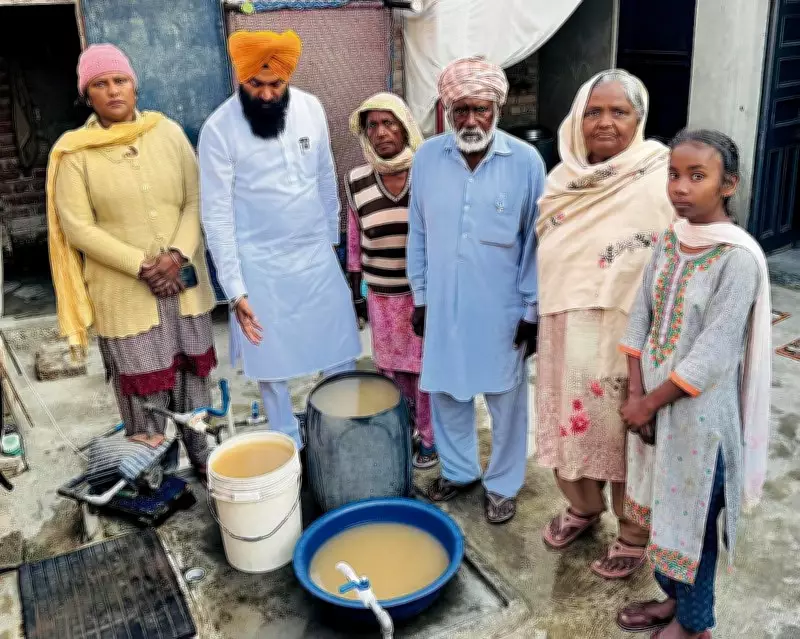
Fatehgarh Sahib Villagers Raise Alarm Over Contaminated Water Supply
Residents in several villages of Fatehgarh Sahib district in Punjab have reported a contaminated water supply, sparking health concerns and demands for immediate action. The issue, which has been ongoing for weeks, involves water that is discolored, emits foul odors, and is suspected to contain harmful substances, according to local accounts.
Health Risks and Public Outcry
Villagers have highlighted the severe health risks associated with the contaminated water, including reports of gastrointestinal illnesses, skin rashes, and other ailments. Many residents rely on this water for drinking, cooking, and daily use, making the situation particularly dire. The foul smell and unusual color of the water have further exacerbated fears, leading to widespread public outcry and protests in the affected areas.
Local authorities have been alerted to the issue, with villagers submitting complaints and urging a thorough investigation into the source of contamination. Concerns are mounting that the water supply may be tainted by industrial waste, agricultural runoff, or aging infrastructure, though official findings are still pending.

Authorities Respond to Complaints
In response to the complaints, district officials have initiated an inquiry to assess the water quality and identify the root cause of the contamination. Water samples have been collected from multiple villages for testing, and results are awaited to determine the exact pollutants involved. The authorities have assured residents that corrective measures will be taken promptly if contamination is confirmed.
However, villagers remain skeptical, citing past delays in addressing similar issues. They have called for regular monitoring of water sources and the implementation of long-term solutions to prevent future occurrences. The situation underscores broader challenges in rural water management and public health infrastructure in the region.
Broader Implications for Rural Punjab
This incident in Fatehgarh Sahib is not isolated, as water contamination has been a recurring problem in various parts of Punjab, often linked to industrial pollution and inadequate sanitation systems. It highlights the urgent need for improved water treatment facilities and stricter enforcement of environmental regulations to safeguard community health.
As the investigation progresses, residents continue to rely on alternative water sources, such as bottled water or distant wells, adding to their daily burdens. The outcome of this case could set a precedent for how water quality issues are handled in rural Punjab, emphasizing the importance of proactive governance and public accountability.