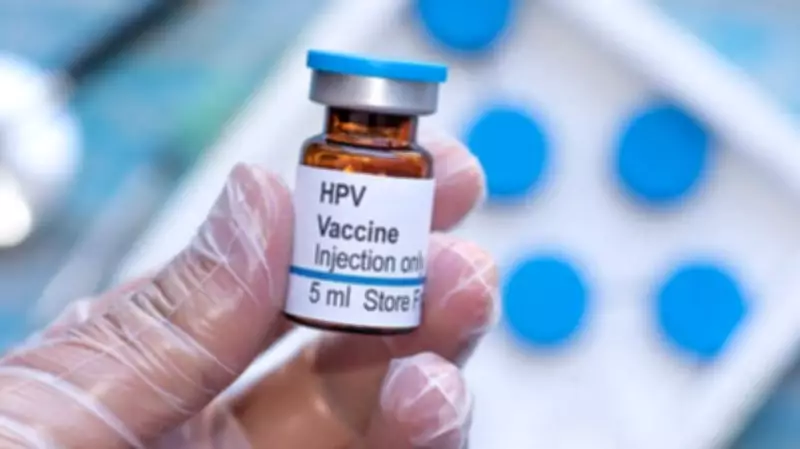
Major HPV Vaccination Campaign Launched in Dakshina Kannada
In a significant public health move, authorities in Dakshina Kannada district, Karnataka, have initiated a comprehensive campaign to administer the Human Papillomavirus (HPV) vaccine to 22,473 eligible girls. This initiative aims to bolster efforts in preventing cervical cancer, a leading health concern among women in India.
Ensuring Accessibility and Coverage
To maximize reach and effectiveness, the campaign has been structured to run over a three-month period. Health officials have directed that vaccination services be made available daily throughout this duration, ensuring that all targeted girls have ample opportunity to receive the vaccine without logistical barriers.
Key aspects of the drive include:

- Daily availability of vaccination centers to accommodate schedules and reduce missed appointments.
- Focus on full coverage among the identified 22,473 beneficiaries to achieve herd immunity and long-term health benefits.
- Coordination with local health departments and schools to facilitate smooth implementation and awareness.
This proactive approach underscores the district's commitment to enhancing healthcare access and preventive measures, particularly in rural and underserved areas where such initiatives can have a profound impact.
Broader Implications for Public Health
The HPV vaccine is crucial in the fight against cervical cancer, which remains a major cause of mortality among women globally. By targeting a large cohort of girls in Dakshina Kannada, this campaign not only addresses immediate health needs but also sets a precedent for similar efforts across Karnataka and other Indian states.
Health experts emphasize that such vaccination drives, when executed with diligence and community engagement, can significantly reduce the incidence of HPV-related diseases. The daily service model adopted here is expected to improve compliance rates and foster a culture of preventive healthcare among young populations.
As the campaign progresses, monitoring and evaluation will be key to assessing its success and identifying areas for improvement in future public health strategies.