

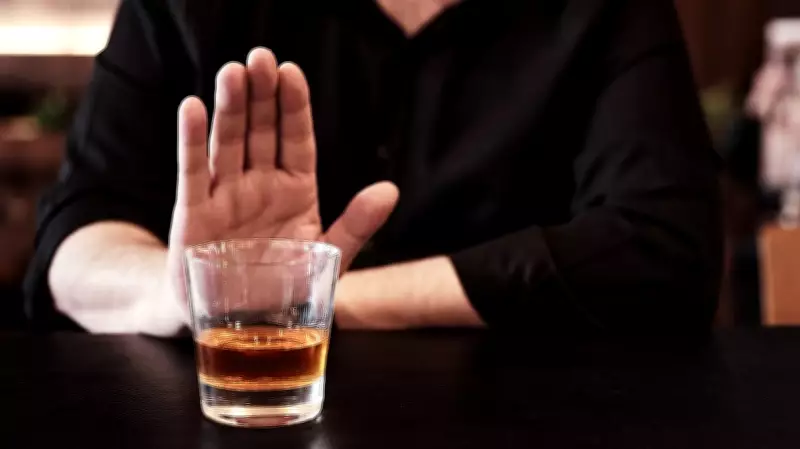
Exercise May Partially Counteract Alcohol-Related Mortality, But Experts Urge Caution
A recent study has sparked discussion by suggesting that individuals who consume alcohol but maintain a consistent exercise routine might see a reduced risk of early death compared to those who drink without physical activity. The research indicates that regular physical exertion could potentially offset some of the detrimental health effects associated with moderate alcohol consumption.
Not a Free Pass for Reckless Drinking
However, health professionals and researchers are quick to emphasize a critical caveat: exercise should not be misinterpreted as a license for careless or excessive drinking. Alcohol consumption continues to pose serious and well-documented physical consequences, including an elevated risk for various cancers, cardiovascular diseases, liver disorders, and neurological damage.
The societal ramifications of alcohol use are equally significant, encompassing issues like addiction, impaired judgment leading to accidents, and broader public health burdens. Experts stress that the potential moderating effect of exercise on mortality risk does not negate these inherent dangers.

Understanding the Research Findings
The study, which analyzed data from a large participant pool, found a correlation between physical activity and a lower incidence of premature death among those who reported drinking alcohol. The mechanisms are not fully understood but may involve exercise's positive effects on metabolism, inflammation reduction, and overall cardiovascular health, which could counterbalance some alcohol-induced stress on the body.
It is crucial to interpret these findings within context. The research primarily points to a relative risk reduction, not an elimination of risk. The healthiest choice remains minimizing alcohol intake or abstaining entirely, coupled with a regular fitness regimen.
Key Takeaways for Public Health
- Regular exercise is beneficial for overall health and may mitigate some risks associated with moderate alcohol use.
- Alcohol consumption independently increases the risk of multiple severe health conditions, including cancer and heart disease.
- Exercise does not provide immunity from the negative societal impacts of alcohol, such as addiction and accidents.
- Public health messaging should continue to promote reduced alcohol consumption alongside active lifestyles for optimal well-being.
In summary, while staying active might offer a layer of protection, it is not a justification for unhealthy drinking habits. A balanced approach prioritizing both physical fitness and mindful alcohol consumption—or abstinence—is recommended for long-term health.






