India's Fitness Revolution: From Weight Loss to Strength and Protein Obsession
Not long ago, fitness in India was synonymous with one primary goal: losing weight. This mindset permeated every aspect of life, from wedding crash diets and endless cardio sessions to the societal virtue placed on thinness and the quiet shame associated with any other body type. However, a significant shift has occurred, largely post-COVID, redefining what it means to be fit in the country.
The Post-COVID Catalyst for Change
The turning point came with the pandemic, as news of young people suffering cardiac attacks and strokes became a daily feature in mainstream media. This alarming trend caught the attention of individuals across all age groups, sparking a nationwide reevaluation of health priorities. Today, walk into any gym in Mumbai, Delhi, or even Tier-2 cities, and you'll encounter a new vocabulary. Instead of asking, "How much weight did you lose?" people inquire, "How much are you lifting?" The old mantra of "eat less" has been replaced with "are you getting enough protein?" India isn't merely getting fitter; it's fundamentally redefining its fitness goals.
A Philosophical Shift Towards Strength
The most profound change is philosophical. Dr. Mickey Mehta, a pioneer in the global wellness industry for over 45 years and a dedicated yoga practitioner for more than 54 years, explains why strength has taken center stage. He states, "In Kalyug, everyone wants to fan the ego. So strength is more important than energy because with strength comes power, and with power comes control." This perspective resonates deeply in a post-COVID world, where many feel a loss of control over even the smallest aspects of their lives. Strength training offers a tangible way to regain that control, transforming not just bodies but also minds.

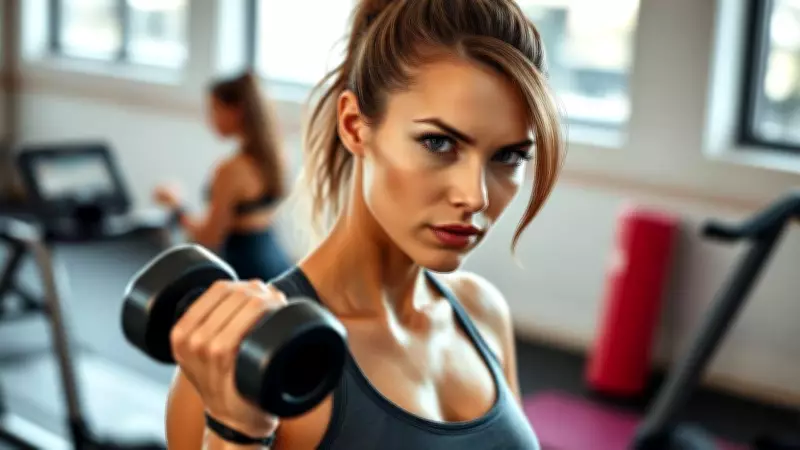
For decades, Indian fitness culture focused on subtraction: eat less and weigh less. Now, the narrative has shifted to addition: more strength, more muscle, more energy. What was once confined to bodybuilders and serious athletes has become mainstream. Functional workouts, kettlebells, Pilates, and hybrid routines are becoming the norm, not the exception. A stronger body is no longer just for Instagram; it's for practical benefits like carrying groceries, preventing injuries, and aging better. Even beginners are encouraged to lift weights early in their fitness journeys, a concept unthinkable a decade ago.
The Quiet Gender Shift in Fitness
One of the most significant yet under-discussed changes is occurring among women. For years, women were advised to avoid weights, aiming for a "toned" look rather than muscularity, with thinness as the ultimate goal and strength often taboo. This is rapidly changing. IT consultant Disha Singh shares her experience: she started strength training due to feeling bloated and a family history of diabetes, with borderline health markers. "I wanted to do something. I got the number of my fitness trainer from a friend whose body transformed right in front of me in the past year. I've started online classes, three days a week. It's been three months, and I can already see my flab disappearing, and I feel stronger, more in control of my body. This has given me a huge mental boost. I finish my daily work faster these days, and I also have far more energy and far less brain fog, which was driving me crazy."
Pallavi Saha, a homemaker, adds, "The best thing about strength training is I do it for 4 days a week, online, at my chosen time. And there's something remarkably motivating about doing planks, failing and failing again and then succeeding. Same goes for going from 2.5 kg of dumbbells to a 5 kg, under supervision of course." Today, more women are lifting weights, prioritizing protein, and redefining fitness on their own terms. This shift is visible in Hollywood and Bollywood, where A-list stars like Jennifer Aniston and Kiara Advani now showcase muscular and toned bodies, emphasizing core strength over just a concave tummy.

The Protein Revolution Beyond the Gym
Parallel to the strength training trend is India's sudden obsession with protein. Once limited to protein shakes and gym enthusiasts, protein has now entered everyday Indian kitchens. Products like protein atta, protein curd, protein snacks, and even protein kulfi are ubiquitous, as food companies race to meet demand, transforming protein from a niche supplement into a daily essential.
This shift is driven by historical protein deficiency in the Indian diet. Studies indicate that the average Indian intake falls short in both quantity and quality, leading to issues like low muscle mass, slower metabolism, and poorer long-term health. The new awareness aims to correct this. As one fitness coach bluntly stated in a recent interview: "Protein isn't for bodybuilders. It's for humans." However, Dr. Mehta cautions, "The question here is should you be doing protein shakes?" He advises, "go as green and clean as possible" in terms of labels to avoid toxicity, and emphasizes that any protein addition should be done under supervision.
Pilates: The Mindful Fitness Disruptor
If traditional Indian workouts were about punishment—running harder, sweating more, burning calories—the new approach is controlled, intentional, and almost meditative. Pilates studios are emerging across urban India, offering a slower, more mindful path to strength. Focused on core strength, flexibility, and breathwork, Pilates represents fitness that doesn't scream, appealing to those seeking sustainable, low-impact routines. This reflects a broader trend: people are no longer trying to survive fitness; they're aiming to live with it.
Data Backs the Fitness Transformation
This shift isn't just anecdotal; data confirms it. According to a Deloitte study, India's fitness industry is growing rapidly, expected to reach ₹37,700 crore by 2030. Approximately 62% of Indians now work out multiple times a week, and 65% prefer hybrid fitness routines, mixing gym, home workouts, and digital training. Fitness is evolving from a seasonal activity, like New Year's resolutions, into a lifestyle. People are becoming more informed, tracking macronutrients—protein, carbohydrates, and fats—rather than just calories, reading labels, and understanding recovery. The body is no longer an afterthought; it's a project.
To gauge the depth of this change, look beyond glossy magazines to platforms like Reddit. On Indian fitness forums, discussions have moved past basic weight loss. One user notes, "Our everyday diet often lacks sufficient protein… I realized it's important for everyone, not just gym people." Another, a trainer, points out, "Most people train hard but their diet doesn't support muscle growth." The confusion now centers not on whether to get fit, but how: "Should I focus on cardio or strength training?" This messy, questioning, evolving dialogue epitomizes a cultural shift in real time.
Risks of Going Too Far
Every trend carries risks of excess. The protein boom has led to over-reliance on supplements, misinformation from unqualified trainers, and social media-driven fitness myths. Concerns are rising about poorly trained gym instructors promoting unsafe routines or unnecessary products. There's also a classic Indian tendency to swing from one extreme to another—from zero protein to protein overload, or from no exercise to overtraining. Dr. Mehta warns, "Overexercising makes you age fast and synthetic, artificial protein can make your biological clock gallop." The challenge now is ensuring that strength-focused, nutritionally-aware fitness remains sustainable and harmless in the long run.