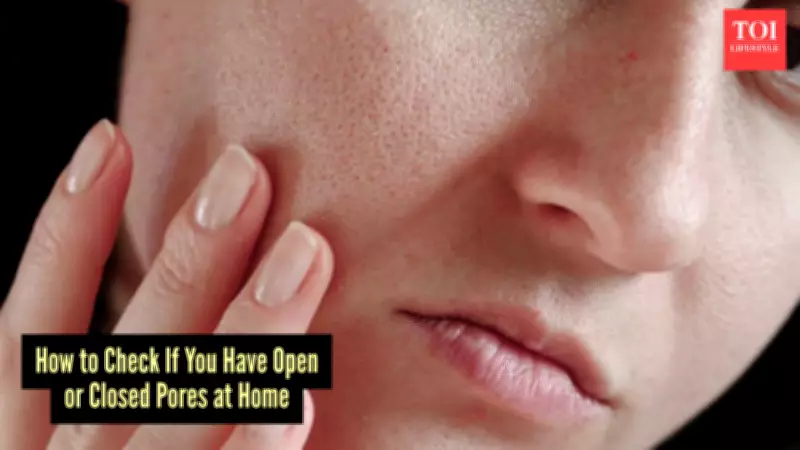
Open Pores vs Closed Pores: How to Tell the Difference at Home
Understanding your skin's pores is crucial for maintaining a healthy complexion. Pores are tiny openings on the skin's surface that serve essential functions, allowing sebum (the skin's natural oil) and sweat to reach the surface. This process keeps the skin moisturized, helps regulate body temperature, and ensures clear visibility of the skin's texture. However, when pores become overly visible or clogged, they require specific skincare approaches. The key question is: how can you identify these conditions without professional help?
What Are Open Pores?
Open pores refer to enlarged or highly visible pores that appear larger than normal. They manifest as tiny, visible holes or small pits on the skin's surface, primarily on the cheeks, forehead, and nose. Skin with open pores often looks extremely shiny or greasy due to excess oil production. Blackheads are a primary cause, as oil and dead skin cells oxidize within the pores, leading to their enlargement.
Common causes of open pores include:

- Product buildup from skincare or makeup
- Sun damage that weakens skin elasticity
- Genetic predisposition
- Excess sebum production
- Premature aging of the skin
What Are Closed or Trapped Pores?
Closed pores, also known as trapped pores, are blocked pores covered by a thin layer of skin that prevents oil from reaching the surface. Instead of visible holes, you may notice small bumps under the skin, often accompanied by whiteheads and closed comedones. Skin with closed pores typically feels rough and uneven, with a changed texture.
Factors contributing to closed pores include:
- Excess oil trapped beneath the skin
- Build-up of dead skin cells
- Hormonal changes
- Heavy use of skincare products that clog pores
Tips for Managing Open Pores
Effective management of open pores starts with a consistent skincare routine. Use gentle cleansers twice daily to remove excess oil and impurities. Incorporate ingredients like salicylic acid or niacinamide to control sebum production and minimize pore appearance. Apply clay masks or multani mitti (fuller's earth) twice a week to draw out impurities and tighten pores.
Never forget sunscreen, as sun exposure weakens the skin's elasticity, which can further enlarge pores. Choose a broad-spectrum sunscreen with at least SPF 30 and reapply as needed throughout the day.
Tips for Managing Closed Pores
For closed pores, exfoliation is key. Use chemical exfoliants like AHAs (alpha hydroxy acids) and BHAs (beta hydroxy acids) regularly to remove dead skin cells and unclog pores. Avoid heavy creams that can contribute to blockages, and consider incorporating retinoids into your routine to promote skin cell turnover and prevent pore congestion.
Maintain a consistent cleansing routine to prevent product buildup. For natural remedies, try DIY applications like curd, which acts as a gentle exfoliator to remove dead skin cells while soothing the skin. Always patch-test home remedies to ensure compatibility with your skin type.
By understanding the differences between open and closed pores and implementing these targeted strategies, you can achieve healthier, clearer skin from the comfort of your home.