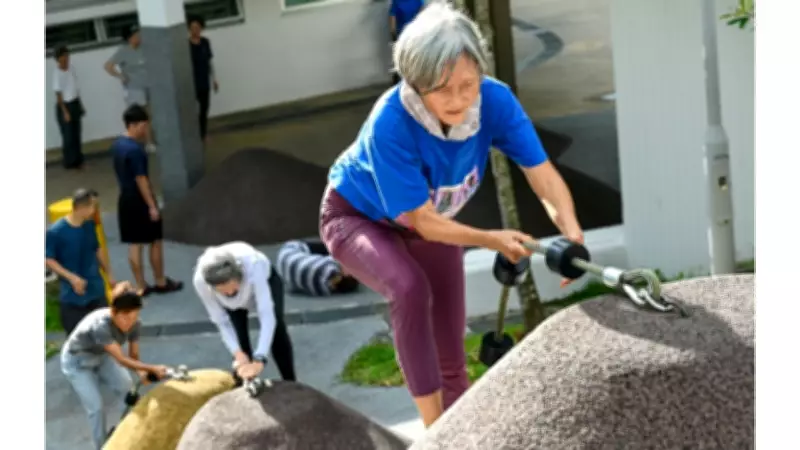
Singapore's Geriatric Parkour: Seniors Redefine Fitness with Urban Agility
In Singapore, an innovative fitness trend is transforming how older adults maintain their vitality and mobility. According to reports from Agence France-Presse, groups of retirees, ranging from their 50s to their 80s, are actively participating in specially adapted "geriatric parkour" sessions. These classes are meticulously designed to improve core strength, enhance balance, and boost overall confidence among seniors, challenging conventional notions of ageing.
Adapted Movements for Real-World Benefits
Unlike traditional parkour, which often involves high-risk jumps and rapid, acrobatic movements, the version practiced by seniors is carefully modified to prioritize safety and functionality. Instead of extreme stunts, these sessions focus on controlled, practical exercises using everyday urban environments such as parks, playgrounds, and public spaces. Participants learn essential skills like stepping over obstacles, climbing low structures, balancing on narrow surfaces, and performing controlled rolls. Each movement is tailored to individual ability levels, with certified instructors providing close supervision to ensure safety at every stage.
The primary goal of geriatric parkour is not performance or speed but improving how the body handles real-world situations. By practicing these functional movements in a structured, supportive setting, seniors build significant confidence in navigating daily environments. This approach aligns with the demographic reality of Singapore, which boasts one of the fastest-ageing populations globally. As the number of older adults continues to rise, there is an increasing emphasis on initiatives that keep people active, independent, and socially engaged, reducing reliance on medical interventions.

Why Geriatric Parkour Works for Senior Fitness
The effectiveness of adapted parkour lies in its practicality and holistic benefits. Rather than focusing on isolated exercises, it trains the body for movements that seniors actually use in daily life, such as stepping over curbs, maintaining balance on uneven terrain, and reacting quickly to changes in surroundings. These activities help strengthen key muscle groups, improve coordination, and enhance reaction times, which are crucial for preventing falls—a major health concern for ageing populations worldwide.
Over time, consistent participation in geriatric parkour can significantly reduce the likelihood of injuries caused by falls, thereby promoting a higher quality of life. Beyond the physical advantages, the programme offers substantial social value. Participants train together in groups, encouraging one another and sharing progress, which fosters a strong sense of community and belonging. This social aspect is particularly vital for older adults, who may otherwise face risks of isolation and loneliness, making exercise an enjoyable, shared activity rather than a mundane obligation.
Changing Perceptions of Ageing and Physical Potential
The concept of seniors engaging in parkour challenges long-held assumptions about ageing and physical limitations. It demonstrates that with proper guidance, adaptation, and a supportive environment, older adults can partake in activities that might once have seemed inaccessible or too strenuous. This shift in perception is important not only for individual well-being but also for society at large, as it redefines what healthy, active ageing can look like in the modern era.
Many participants report feeling more confident, energised, and independent after joining these sessions. The group dynamic transforms fitness into a fun and motivating experience, encouraging consistency and long-term engagement. The rise of geriatric parkour in Singapore highlights a growing movement toward functional, engaging fitness solutions for older adults, combining physical training with social interaction and real-world applicability.
In summary, geriatric parkour represents a practical and effective approach to staying active in later years. It serves as a powerful reminder that fitness does not have to follow traditional paths, and that even unconventional ideas, when thoughtfully adapted, can deliver meaningful, life-enhancing results for seniors striving to maintain their health and independence.