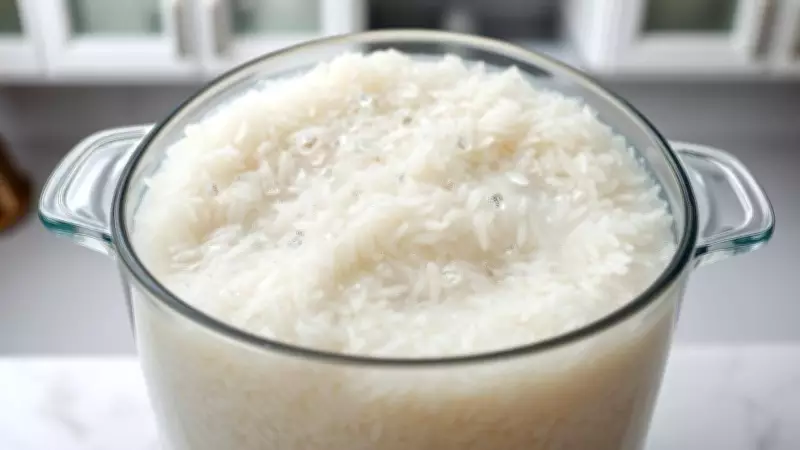
The Science of Perfect Rice: Unlocking the Chemistry of Fluffy Grains
In the kitchen, few things are as frustrating as expecting a pot of fluffy, distinctively grainy rice, only to uncover a gooey, sticky mass or a mushy mess. While it might seem like bad luck or the fault of an inexpensive rice cooker, the truth lies in the intricate chemistry of each individual grain. Understanding this science can transform your cooking results, turning disappointment into culinary success.
The Molecular Battle Inside Your Pot
At its core, a grain of rice is a compact package of starch that reacts uniquely when immersed in water. This reaction dictates cooking time and texture, making it essential to grasp the interplay between the two types of starch present: amylose and amylopectin. Amylose contributes firmness and prevents sticking, while amylopectin acts as a binding agent. As cooking begins, starch molecules leak into the water, forming a thin layer that influences grain interaction post-cooking.
A groundbreaking study titled The molecular structural features controlling stickiness in cooked rice, published in the journal Scientific Reports, reveals that stickiness is directly linked to the size and quantity of amylopectin that escapes during boiling. Researchers found that when leached starch has a larger molecular size and more short branches, rice becomes significantly more adhesive. This means that even with identical water amounts, different rice varieties respond uniquely based on their internal starch composition.

Why Rinsing and Water Ratios Matter
Rinsing rice before cooking plays a crucial role by removing excess surface starch, which is a primary culprit for clumpy results. However, the water-to-rice ratio is equally vital, as it controls internal starch gelation and grain texture. Many home cooks default to a one-size-fits-all ratio of two parts water to one part rice, but this approach can be detrimental. Water not only hydrates the grains but also influences molecular movement during cooling, a process known as retrogradation.
A scientific publication in the International Journal of Biological Macromolecules investigates how the water-to-rice ratio impacts starch molecular properties during cooking. The authors demonstrate that water quantity regulates starch granule gelation. When water exceeds optimal levels, rice grains swell excessively, starch becomes more mobile and leaches out, leading to a stickier texture. Conversely, higher water amounts slow starch crystallization during cooling, preserving a mushy structure for longer periods.
Analysis using quasi-elastic neutron scattering shows that increased water enhances starch molecule mobility. In essence, excessive water not only sogs the grains but also inhibits the formation of crystalline starch networks. To combat this, professional chefs employ the absorption method, tailoring water portions based on grain type and amylose content.
Mastering the Perfect Rice Texture
Ultimately, achieving ideal rice boils down to managing stickiness, which stems from starch leakage controlled by the water-to-rice proportion. By understanding this chemistry, you can solve the mystery of perfect rice preparation. For drier, fluffier grains, use a lesser quantity of water, adjusting based on the specific variety of rice. Embrace these scientific insights to elevate your cooking and enjoy restaurant-quality results at home.