

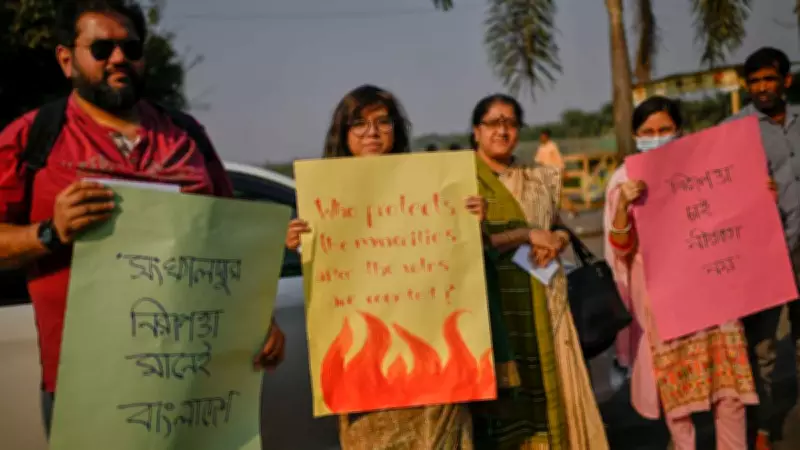
Bangladesh's February Election: A Critical Test for Hindu Minority Safety
The upcoming general election in Bangladesh, scheduled for February, is emerging as a pivotal moment not just for the nation's political landscape but also for the safety and rights of its Hindu minority. This electoral event holds significant implications for the community's future, with concerns over political stability and minority protection taking center stage.
Why This Election Matters for the Hindu Community
Bangladesh's Hindu population, which constitutes a substantial minority, has historically faced challenges related to security and discrimination. The February polls are crucial because the election outcome could directly influence government policies and enforcement mechanisms aimed at safeguarding minority rights. A stable and inclusive government is seen as essential to address issues such as communal violence and legal protections.
Political analysts highlight that the election results will determine the level of commitment from the ruling administration towards minority welfare. Past incidents of violence and property disputes have underscored the need for robust governance to ensure the Hindu community's safety. The election serves as a barometer for the political will to implement reforms and uphold constitutional guarantees for all citizens.

Broader Implications for Regional Stability
Beyond domestic concerns, the Bangladesh election has broader ramifications for South Asian geopolitics. A peaceful and fair electoral process could enhance Bangladesh's reputation as a democratic nation, fostering regional cooperation. Conversely, any instability or perceived injustice might exacerbate tensions, affecting cross-border relations and minority sentiments in neighboring countries.
The international community is closely monitoring the situation, with human rights organizations emphasizing the importance of free and fair elections. The treatment of minorities during and after the polls will be a key indicator of Bangladesh's commitment to democratic principles and social harmony.
Key Factors Influencing the Election Outcome
- Political Alliances: The formation of coalitions and party strategies will play a critical role in shaping the election dynamics, with minority votes being a significant factor in many constituencies.
- Security Measures: The government's ability to ensure a secure environment for voting, especially in areas with high minority populations, is paramount to prevent intimidation or violence.
- Economic Policies: Issues such as job creation and economic development also impact voter sentiment, including among minority groups seeking better opportunities and social integration.
In summary, Bangladesh's February general election is more than a routine political exercise; it is a decisive event for the Hindu minority's safety and rights. The outcome will not only define the country's internal governance but also its standing in the international arena, making it a critical juncture for all stakeholders involved.






