Railway Expansion in Bihar: Cabinet Approves New Lines Between Punarakh and Kiul
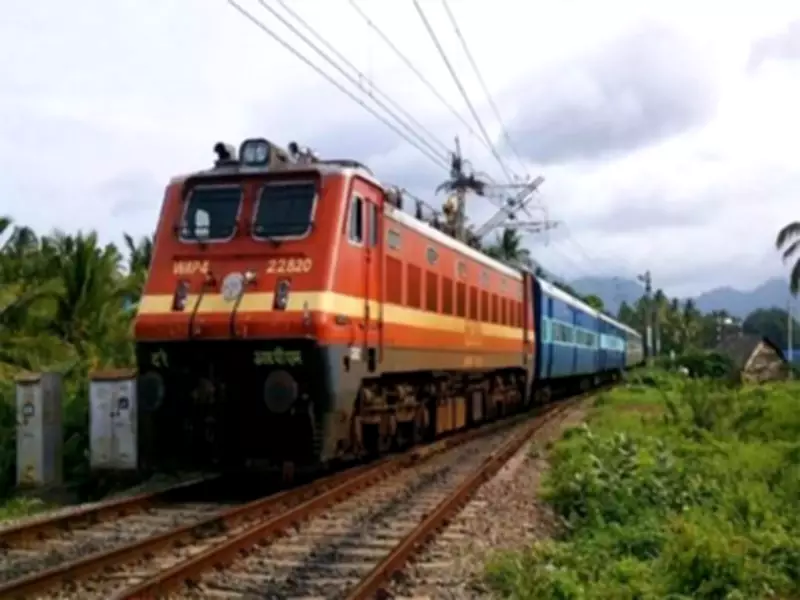
Railway experts have welcomed the Union cabinet's recent approval for constructing third and fourth railway lines between Punarakh and Kiul in Bihar. This significant 50-kilometer expansion under the Danapur division of East Central Railway (ECR) is expected to substantially ease congestion and boost capacity on one of Bihar's busiest stretches of the historic Delhi-Howrah main line.
Historic Corridor Facing Modern Challenges
According to ECR's chief public relations officer Saraswati Chandra, the Punarakh-Kiul section forms a crucial part of the historic Delhi-Howrah main line via Patna and Jhajha. This vital route was originally constructed between 1860 and 1870 during the British colonial era. Over the decades, this corridor has witnessed exponential growth in both passenger and freight traffic, placing immense pressure on its existing infrastructure that was designed for a different era of transportation needs.
Part of Broader Capacity Enhancement Strategy
The cabinet approval aligns with a broader, comprehensive plan to expand capacity along this critical mainline corridor. The railways had previously announced an ambitious Rs 17,000 crore project to construct third and fourth lines between Deen Dayal Upadhyaya Junction (DDU) and Jhajha, which would provide a major boost to traffic movement along this essential route.

The Railway Board has already cleared phased expansion works across several key stretches, including:
- Fatuha-Bakhtiyarpur (24 km)
- Bakhtiyarpur-Punarkh (30 km)
- Punarkh-Kiul (50 km, now approved)
Benefits for Passenger and Freight Traffic
Railway experts believe the additional lines will allow for smoother segregation of passenger and freight traffic, significantly reducing delays and improving overall punctuality across the network. "This corridor carries a huge traffic load including long-distance express trains and goods trains transporting essential commodities. Capacity enhancement is thus the need of the hour," emphasized former Railway Board official and infrastructure planner A K Chandra.
The infrastructure upgrade is also expected to support the rising number of trains being introduced in response to growing population demands and increased mobility needs. Freight operations, particularly the movement of coal, cement, and agricultural produce, are likely to benefit substantially from faster turnaround times and improved operational efficiency.
Addressing Long-Standing Infrastructure Challenges
The approval represents a significant step forward in addressing long-standing infrastructure challenges on one of India's most important railway corridors. By expanding capacity on this critical stretch, the railways aim to create a more resilient and efficient transportation network that can better serve both the economic and mobility needs of the region.
This development comes at a crucial time when India's railway network is undergoing substantial modernization efforts nationwide, with particular focus on enhancing connectivity and operational efficiency across key economic corridors.