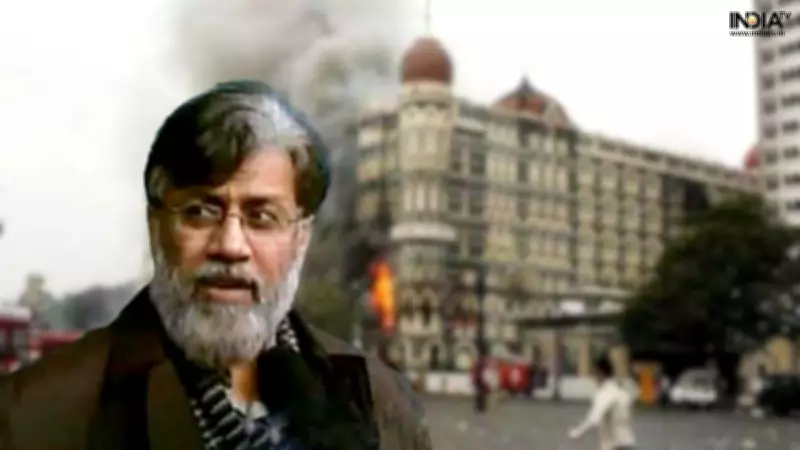
Canada Moves to Strip Citizenship from Mumbai Attack Mastermind Tahawwur Rana
In a significant diplomatic and legal development, the Canadian government has announced its decision to revoke the citizenship of Tahawwur Rana, the key mastermind behind the devastating 2008 Mumbai terror attacks. This action comes just ahead of a planned official visit to India by Mark Carney, the former Governor of the Bank of England and a prominent Canadian figure, scheduled for 2026.
Timing Aligns with High-Profile Diplomatic Engagement
The revocation process is being initiated in close proximity to Mark Carney's upcoming diplomatic mission to India, highlighting Canada's intent to strengthen bilateral ties and address long-standing security concerns. Carney, who has served as the Governor of the Bank of Canada and the Bank of England, is expected to engage in high-level discussions focusing on economic cooperation, trade, and mutual security interests between the two nations.
This move is seen as a strategic effort by Ottawa to demonstrate its commitment to combating terrorism and fostering a more robust partnership with New Delhi. The 2008 Mumbai attacks, which resulted in the tragic loss of over 160 lives, including several foreign nationals, have been a persistent point of contention in India-Canada relations, with India repeatedly urging for greater accountability and justice.

Background on Tahawwur Rana's Case
Tahawwur Rana, a Pakistani-Canadian businessman, was convicted in the United States for his involvement in providing material support to the Lashkar-e-Taiba (LeT) terrorist group, which orchestrated the Mumbai attacks. He played a crucial role in facilitating the logistics and communications for the attackers, earning him the designation as a mastermind of the horrific events.
Despite his conviction, Rana has managed to retain his Canadian citizenship until now, a fact that has drawn criticism from Indian authorities and international observers. The revocation process involves legal proceedings that could lead to his deportation, although specific timelines and outcomes remain subject to judicial review and potential appeals.
Implications for India-Canada Relations
This decision is poised to have far-reaching implications for the diplomatic landscape between India and Canada:
- Enhanced Security Cooperation: By taking concrete action against a figure linked to terrorism, Canada signals a willingness to collaborate more closely on counter-terrorism initiatives.
- Diplomatic Goodwill: The timing ahead of Carney's visit suggests an effort to build trust and pave the way for productive discussions on broader bilateral issues.
- Legal Precedent: It sets a precedent for how Canada handles cases involving individuals convicted of serious international crimes, potentially influencing future policy.
As the revocation process unfolds, it will be closely monitored by global security experts and diplomatic circles. The outcome could significantly impact Rana's legal status and his ability to remain in Canada, while also shaping the trajectory of India-Canada relations in the years leading up to and following Mark Carney's 2026 visit.