

China and Russia Issue Joint Call for Peace Between Pakistan and Afghanistan
In a notable development aimed at de-escalating regional tensions, China and Russia have made a formal appeal to Pakistan and Afghanistan, urging both nations to put an immediate end to cross-border hostilities. This diplomatic intervention underscores the growing concern among major powers regarding the volatile security situation along the shared frontier.
Escalating Tensions Prompt International Concern
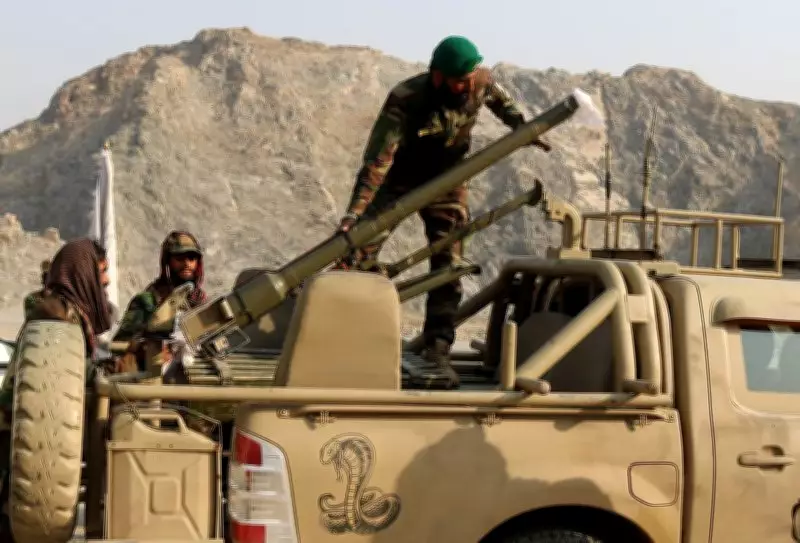
The call comes amid reports of increased skirmishes and military engagements between Pakistani and Afghan forces, which have resulted in casualties and heightened instability in the border regions. These incidents have disrupted local communities and raised fears of a broader conflict that could spill over into neighboring areas.
China and Russia emphasized the critical need for both countries to exercise restraint and prioritize peaceful dialogue over military actions. They highlighted that ongoing hostilities not only threaten the security and well-being of civilians but also pose risks to regional economic projects and infrastructure development, including those linked to China's Belt and Road Initiative.

Diplomatic Efforts to Foster Stability
Both China and Russia, as influential players in the region, have vested interests in maintaining stability. China shares borders with Pakistan and has significant investments in the region, while Russia has historical ties and strategic concerns in Central Asia. Their joint statement reflects a coordinated approach to conflict resolution, leveraging their diplomatic channels to mediate between Islamabad and Kabul.
The appeal specifically calls for:
- An immediate ceasefire to prevent further loss of life and property.
- The initiation of direct talks between Pakistani and Afghan authorities to address underlying grievances.
- Enhanced cooperation on border management and security to prevent future incidents.
- Support for international efforts to promote peace and development in the region.
Regional Implications and Future Outlook
This intervention by China and Russia could signal a shift in how major powers address conflicts in South and Central Asia. By jointly advocating for de-escalation, they aim to prevent the situation from escalating into a larger crisis that could involve other nations or non-state actors. Observers note that this move may also be part of broader strategies to counter Western influence in the region, positioning Beijing and Moscow as key peacemakers.
The response from Pakistan and Afghanistan remains to be seen, but initial reactions suggest a willingness to engage in discussions. Both countries have previously expressed concerns over cross-border terrorism and illegal movements, which have fueled tensions. The call from China and Russia provides an opportunity for renewed diplomatic engagement, potentially leading to confidence-building measures and long-term stability agreements.
In conclusion, the joint appeal by China and Russia marks a pivotal moment in regional diplomacy, highlighting the urgency of resolving the Pakistan-Afghanistan border dispute through peaceful means. As the situation evolves, continued international attention and support will be crucial in ensuring that dialogue prevails over conflict.






