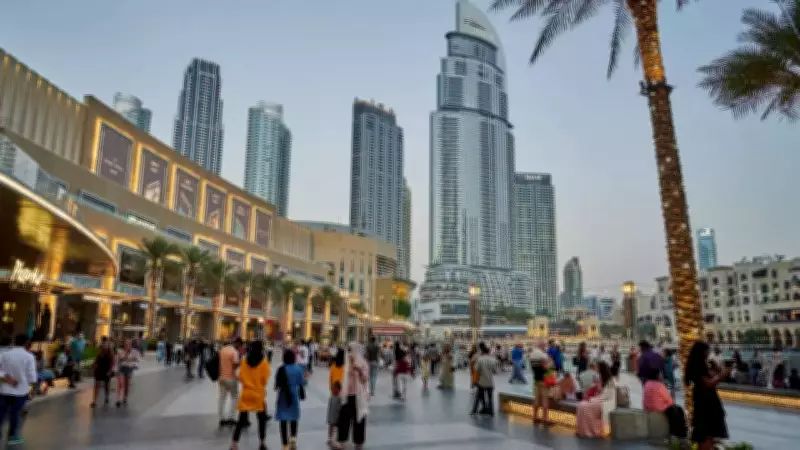
Dubai Unveils Comprehensive Public Safety Legislation for 2026
In a decisive move to bolster its standing as one of the globe's safest urban centers, Dubai has enacted a groundbreaking new law aimed at fortifying public safety across the entire emirate. Sheikh Mohammed bin Rashid Al Maktoum, the Vice President and Prime Minister of the United Arab Emirates and Ruler of Dubai, has officially issued Law No. (2) of 2026, establishing an extensive framework designed to safeguard residents, visitors, and property while supporting the city's swift urban expansion and development.
Key Provisions and Implementation Timeline
This landmark legislation, set to take effect on June 1, 2026, and to be published in the Official Gazette, represents one of the most significant safety reforms introduced in Dubai in recent years. The law introduces a detailed set of regulations intended to minimize accidents, prevent injuries, and ensure elevated safety standards in public spaces and commercial activities. By protecting both lives and property, it aims to foster sustainable development and robust economic growth in the city, which has evolved into a global nexus for tourism, business, and large-scale events, attracting millions of international visitors annually.
Scope and Application of the Safety Regulations
The safety rules promulgated under this law apply to a broad spectrum of locations and activities, ensuring uniform standards to mitigate risks associated with overcrowding, unsafe infrastructure, and poorly managed events. The covered areas include:

- Entertainment venues and public events
- Residential and commercial buildings
- Swimming pools and beaches
- Recreational facilities and public spaces
Authorities emphasize that the new law ensures safety systems evolve in tandem with Dubai's rapid development, addressing the unique challenges posed by its growth as a premier destination.
Stricter Requirements for Venues and Large Events
A central focus of the legislation is on public venues and large-scale events, where organizers must now adhere to rigorous safety standards before hosting gatherings. Venues are mandated to ensure:
- Adequate lighting and ventilation systems
- Safe entry and exit points
- Crowd capacity limits to prevent overcrowding
- Noise control measures to avoid hearing hazards
Additionally, venues and event organizers must implement comprehensive public safety management plans, including emergency procedures and trained safety supervisors. Essential safety equipment required includes:
- Fire-fighting systems
- Alarm systems
- First-aid facilities
- Clear safety signage
- Emergency evacuation plans
These measures are designed to facilitate swift and effective responses to emergencies, such as fires, accidents, or other unforeseen incidents.
Enhanced Safety Standards for Buildings and Infrastructure
The law also introduces stringent guidelines for maintenance activities in both residential and commercial buildings. Property owners, operators, and service providers must ensure that:
- Electrical systems and equipment meet established safety standards
- Regular maintenance checks are conducted
- Hazardous materials are properly handled and stored
The regulations extend to facilities like swimming pools and beaches, which are popular recreational spots in Dubai. Operators must implement proper safety measures to prevent accidents and protect visitors, with the goal of establishing consistent safety requirements across all private and public environments in the city.
Oversight, Enforcement, and Penalties
Primary responsibility for implementing the new safety regulations will rest with the Environment, Health and Safety Agency of Dubai Municipality, which will coordinate with other government authorities. This agency will oversee inspections, compliance monitoring, and enforcement of safety standards throughout the emirate. Officials assert that this centralized oversight will enhance inter-agency coordination and ensure consistent law enforcement, integrating with Dubai's existing advanced technology and smart governance systems for public safety management.

To ensure compliance, the law incorporates substantial penalties for violations. Individuals or businesses failing to follow safety regulations may face fines ranging from Dh500 to Dh1 million. Repeat offenses within a year could result in penalties doubling to as much as Dh2 million. Authorities state that these fines are intended to encourage strict adherence to safety standards and deter negligence, with the Executive Council of Dubai defining specific violations and associated penalties.
Public Participation and Broader Implications
Another critical element of the legislation is the emphasis on public participation in maintaining safety. Residents and visitors are required to follow safety instructions in public places and cooperate with safety supervisors, including adhering to guidelines when using equipment, attending events, or entering recreational facilities. While government agencies will enforce the rules, authorities highlight that community awareness and cooperation are indispensable for sustaining a safe environment.
Dubai's leadership has consistently prioritized safety as a cornerstone of the emirate's development strategy. The city's rapid growth, expanding population, and thriving tourism industry underscore the increasing importance of robust safety regulations. With large-scale events, international exhibitions, concerts, and sports competitions becoming regular features of Dubai's calendar, ensuring these gatherings operate under strict safety standards is vital to preserving the city's reputation as a secure destination.
Alignment with Dubai's Vision and Future Outlook
The introduction of Law No. (2) of 2026 aligns with Dubai's broader vision of becoming one of the world's most livable and sustainable cities. It reflects the emirate's proactive governance approach, focusing on prevention, planning, and innovation rather than reactive crisis management. Officials believe the law will not only reduce accidents and safety incidents but also strengthen confidence among residents, investors, and tourists. As Dubai continues to expand and host millions of visitors each year, ensuring the safety of people and infrastructure remains a top priority, with this new public safety law representing a major stride toward that goal, reinforcing the city's commitment to creating a secure and resilient urban environment.