Estonian President Alar Karis Visits Akshardham Temple in Delhi
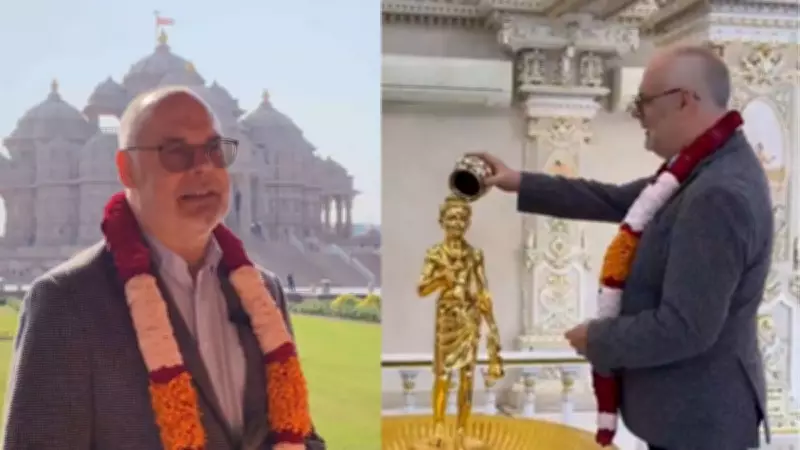
Estonian President Alar Karis made a significant visit to the Akshardham Temple in Delhi, India, on February 20, 2026, as part of his state visit to the country. The visit underscored the deepening diplomatic and cultural ties between Estonia and India, with a focus on shared values that bridge the two nations.
Highlights of the Visit and Shared Values
During his tour of the Akshardham Temple, President Karis emphasized the common ground between Estonia and India, particularly in the realms of innovation and peace. He praised the temple not only as a spiritual landmark but also as a symbol of architectural excellence and technological advancement, reflecting India's rich heritage and modern capabilities.
Innovation as a Core Value: President Karis highlighted how both Estonia and India prioritize innovation in their national agendas. Estonia, known for its digital governance and tech-savvy society, sees parallels with India's growing prowess in information technology and startup ecosystems. He noted that this shared focus on innovation can foster stronger bilateral collaborations in sectors such as cybersecurity, artificial intelligence, and digital infrastructure.

Peace and Harmony: The Estonian leader also stressed the importance of peace and harmony, values embodied by the Akshardham Temple's message of universal brotherhood. He expressed appreciation for India's role in promoting global peace and stability, aligning with Estonia's commitment to international cooperation and conflict resolution. This mutual emphasis on peace is expected to enhance diplomatic efforts and cultural exchanges between the two countries.
Cultural and Diplomatic Implications
The visit to Akshardham Temple is part of a broader state visit aimed at strengthening India-Estonia relations. Key aspects of this engagement include:
- Cultural Diplomacy: By visiting a prominent religious and cultural site, President Karis demonstrated respect for India's diverse traditions, fostering goodwill and mutual understanding.
- Economic and Technological Partnerships: Discussions during the visit are likely to explore opportunities for joint ventures in tech innovation, trade, and investment, building on existing bilateral agreements.
- Global Collaboration: Both nations are expected to collaborate on international platforms to address shared challenges, such as climate change and digital security, leveraging their innovative strengths.
This event marks a positive step in bilateral relations, with President Karis's remarks resonating with India's vision of a progressive and peaceful global community. The emphasis on innovation and peace sets a promising tone for future collaborations, potentially leading to enhanced cooperation in various fields.