

German Foreign Minister Advocates for Pragmatic European Engagement with BRICS Nations
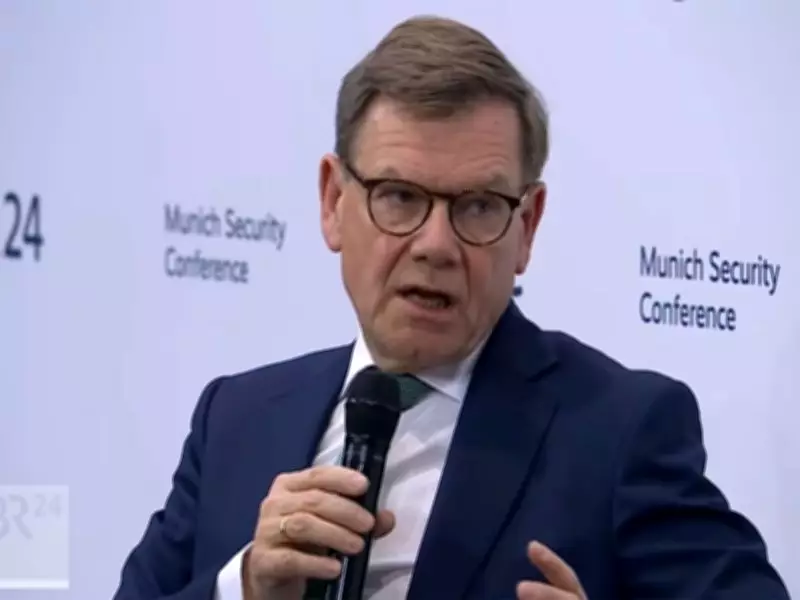
At the prestigious Munich Security Conference (MSC) 2026, German Foreign Minister Wadephul delivered a significant address, highlighting the necessity for Europe to adopt a more pragmatic and cooperative approach toward the BRICS bloc. In his remarks, Wadephul underscored the substantial common ground that Germany and the European Union share with key BRICS members, particularly India and Brazil, emphasizing that these shared interests should form the foundation of future diplomatic and economic relations.
Emphasizing Shared Interests and Strategic Alignment
Wadephul pointed out that countries like India and Brazil are not merely emerging economies but pivotal global partners with whom Europe has deep-rooted historical, cultural, and economic ties. He argued that a pragmatic strategy, rather than a confrontational stance, is essential for fostering mutual growth and addressing global challenges such as climate change, trade imbalances, and security threats. This approach, he noted, aligns with Germany's broader foreign policy objectives of promoting stability and cooperation on the international stage.
The Role of the Munich Security Conference in Shaping Policy
The Munich Security Conference 2026 served as a critical platform for this discourse, bringing together global leaders to discuss pressing security and diplomatic issues. Wadephul's advocacy for a nuanced European policy toward BRICS reflects a growing recognition within EU circles of the bloc's increasing influence. By engaging constructively, Europe can leverage partnerships with BRICS nations to enhance economic opportunities, technological exchanges, and collaborative efforts in areas like sustainable development and digital innovation.

Implications for Global Diplomacy and Economic Relations
This call for pragmatism comes at a time when global dynamics are rapidly evolving, with BRICS nations playing an ever-more prominent role in world affairs. Wadephul's stance suggests a shift toward more inclusive and dialogue-driven international relations, potentially paving the way for enhanced EU-BRICS collaborations. Such an approach could benefit all parties by reducing tensions, promoting fair trade practices, and strengthening multilateral frameworks to tackle shared global issues effectively.
In summary, German Foreign Minister Wadephul's remarks at the Munich Security Conference 2026 highlight a strategic pivot toward pragmatic engagement with BRICS, emphasizing the importance of building on common interests with nations like India and Brazil to foster a more cooperative and stable global order.





