

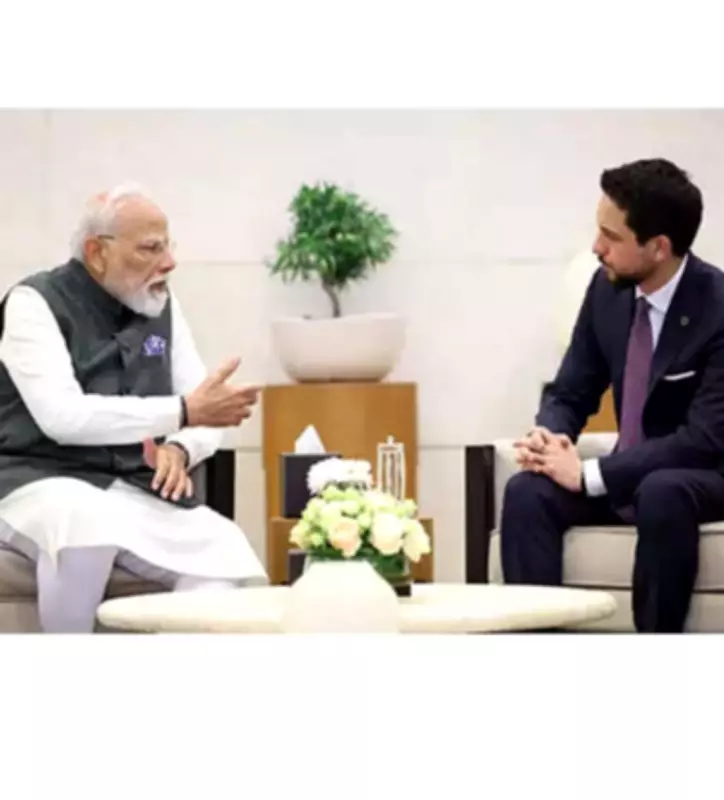
Gulf Nations Emerge as Central Pillar in India's West Asia Strategic Framework
The development of comprehensive strategic partnerships with Gulf Cooperation Council (GCC) countries stands prominently among the significant foreign policy achievements of the Modi administration since assuming office in 2014. Prime Minister Narendra Modi has consistently prioritized strengthening these bilateral relationships, guided by clear geopolitical and economic imperatives that recognize the Arabian Peninsula's multifaceted importance to India's national interests.
Multidimensional Strategic Significance of Gulf Relations
The West Asia region, particularly the Gulf states, serves multiple critical functions within India's international engagement framework. Foremost among these is energy security, with the Arabian Peninsula remaining the primary source for India's substantial hydrocarbon requirements. Beyond petroleum resources, this region has evolved into a significant trade and investment partner, with bilateral economic exchanges expanding across diverse sectors.
Furthermore, Gulf nations have become essential collaborators in India's outreach initiatives within cutting-edge technological domains including:

- Food security innovations and agricultural cooperation
- Pharmaceutical manufacturing and healthcare partnerships
- Information technology services and digital infrastructure
- Telecommunications network development
- Artificial intelligence research and implementation
Geographic and Diaspora Dimensions
The strategic location of Arabian Peninsula nations provides India with crucial logistical advantages for broader regional connectivity. These countries serve as vital hubs for India's extended outreach through the Arabian Peninsula toward Mediterranean markets and beyond, facilitating enhanced trade routes and diplomatic engagement across multiple continents.
Equally significant is the substantial Indian diaspora presence throughout Gulf states, numbering approximately 10 million individuals. This community represents not only an important source of remittances but also serves as a living bridge between cultures, fostering people-to-people connections that strengthen bilateral relations at multiple levels. The diaspora's economic contributions and cultural influence have become integral components of India's comprehensive engagement strategy with West Asian nations.
The Modi government's focused approach toward Gulf relations reflects a sophisticated understanding of this region's evolving geopolitical landscape and its alignment with India's growing global aspirations. Through sustained diplomatic efforts, high-level exchanges, and economic cooperation frameworks, India has systematically deepened its engagement with Arabian Peninsula nations, creating partnerships that extend beyond traditional energy transactions to encompass broader strategic collaboration.






