

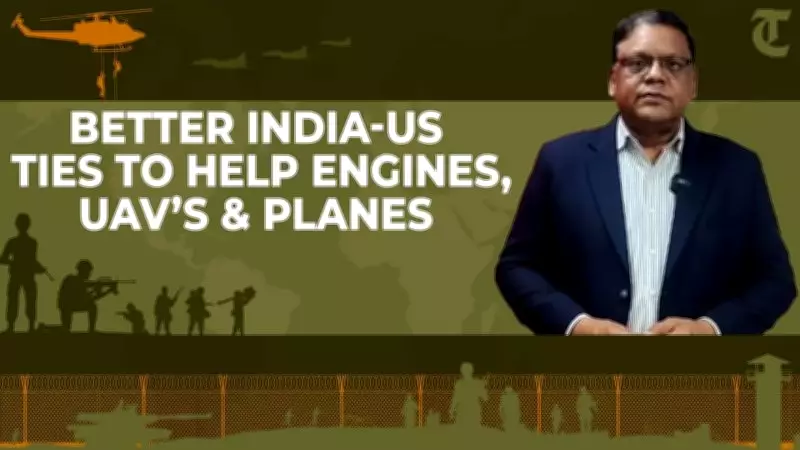
India's Massive Fighter Jet Acquisition Plan Hinges on US Engine Agreement
In a significant development for the nation's defense capabilities, India is poised to embark on an ambitious program to acquire approximately 500 fighter jets. This large-scale procurement initiative is a cornerstone of the country's strategy to modernize its air force and enhance its aerial combat readiness. However, the successful execution of this plan is currently contingent upon a critical pending deal with the United States for advanced jet engines.
Strategic Expansion of Air Power
The proposed acquisition of 500 fighter jets represents one of the most substantial military procurement efforts in India's recent history. This move is driven by the need to replace aging aircraft in the existing fleet and to address evolving security challenges in the region. The expansion is expected to significantly bolster India's air defense and strike capabilities, ensuring a robust response to potential threats.
Key aspects of this plan include:

- Phased induction of new jets over the coming years to maintain operational continuity.
- Focus on multi-role aircraft that can perform various missions, from air superiority to ground attacks.
- Integration of cutting-edge avionics and weapon systems to match global standards.
Pending US Engine Deal: A Crucial Component
At the heart of this acquisition lies a crucial agreement with the United States for the supply of advanced jet engines. These engines are essential for powering the new fighter jets, offering superior performance, reliability, and fuel efficiency. The deal is seen as a pivotal element in strengthening defense cooperation between India and the US, reflecting deepening strategic ties.
Negotiations for the engine deal are ongoing, with both sides working to finalize terms that meet technical and financial requirements. The engines are expected to enhance the operational effectiveness of the jets, contributing to longer flight ranges and improved combat agility. This collaboration also underscores India's reliance on international partnerships to achieve its defense modernization goals.
Implications for Defense and Diplomacy
The acquisition of 500 fighter jets, coupled with the US engine deal, has far-reaching implications. From a defense perspective, it will transform India's air force into a more formidable force, capable of projecting power and deterring adversaries. The infusion of advanced technology is likely to boost indigenous defense manufacturing through technology transfer and joint ventures.
On the diplomatic front, this move reinforces India's alignment with the United States in the Indo-Pacific region, countering regional tensions. It also highlights the country's commitment to self-reliance in defense, as part of broader initiatives like 'Make in India'. The successful implementation of this plan could set a precedent for future defense procurements and international collaborations.
In summary, India's wait for US engines is a critical step in realizing its vision for a modernized air force. As details of the deal are finalized, the defense landscape in South Asia is poised for a significant shift, with enhanced capabilities and strengthened alliances on the horizon.






