India Extends Safe Harbor to Iranian Ship IRIS Lavan in Kochi
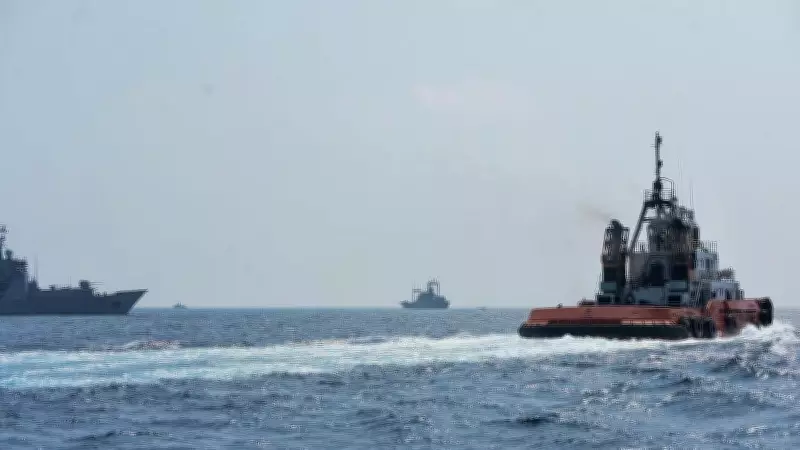
In a significant diplomatic move, India has provided safe harbor to the Iranian ship IRIS Lavan at the port of Kochi. This action occurred just days before the IRIS Dena, another Iranian vessel, was torpedoed by a US submarine south of Sri Lanka, underscoring the volatile security dynamics in the region.
Background and Regional Context
The IRIS Lavan was in the area participating in the International Fleet Review, a multinational naval exercise aimed at fostering maritime cooperation. Iran approached India with a request to take in the ship, which India agreed to, demonstrating its role as a neutral player in international conflicts. This decision comes amid escalating tensions between Iran and the United States, highlighted by the subsequent attack on the IRIS Dena.
Details of the Safe Harbor Agreement
India's acceptance of the IRIS Lavan into Kochi port reflects its commitment to maritime safety and diplomatic neutrality. The ship was allowed to dock and receive necessary support, ensuring the safety of its crew and assets. This move is seen as a strategic effort to maintain balanced relations with both Iran and other global powers involved in the region.

Implications for Regional Diplomacy
The timing of this safe harbor provision, shortly before the torpedoing of the IRIS Dena, adds a layer of complexity to regional diplomacy. It highlights India's cautious approach in navigating international disputes, particularly those involving major powers like the United States and Iran. Analysts suggest that such actions could influence future diplomatic engagements and security arrangements in the Indian Ocean region.
Conclusion
India's decision to grant safe harbor to the IRIS Lavan in Kochi underscores its proactive stance in regional security matters. By offering refuge to the Iranian ship, India not only upholds maritime traditions of assistance but also positions itself as a key mediator in ongoing geopolitical tensions. This event is likely to be closely watched by international observers as it may set precedents for future interactions in conflict-prone areas.