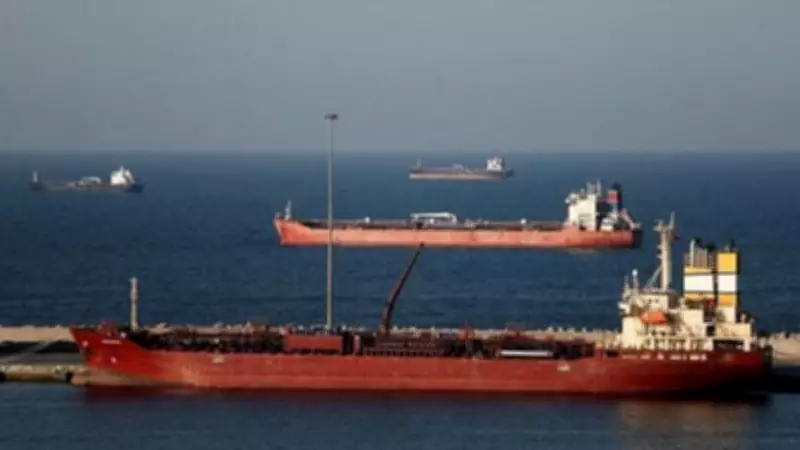
India and Iran Engage in Diplomatic Talks Over Strait of Hormuz and Tanker Issues
In a significant development in international diplomacy, India is currently engaged in negotiations with Iran to secure safe passage for its vessels through the strategically vital Strait of Hormuz. According to a report from Reuters, dated March 16, 2026, these discussions are taking place against a backdrop of heightened regional tensions and economic interests.
Tehran's Demands Include Return of Seized Tankers
As part of the ongoing talks, Iranian officials have formally requested the return of several tankers that were seized under unclear circumstances. This demand adds a layer of complexity to the negotiations, as it touches upon maritime law and bilateral relations between the two nations. The Strait of Hormuz, a critical chokepoint for global oil shipments, has been a focal point of geopolitical maneuvering, making India's quest for secure transit a priority for its energy security and trade flows.
Medical Supplies Also on the Negotiation Table
In addition to the tanker issue, Tehran has specifically asked for supplies of certain medicines and medical equipment. This request was confirmed by an Iranian official, one of the sources cited in the Reuters report. The inclusion of medical aid in the discussions highlights the multifaceted nature of the negotiations, which extend beyond mere maritime security to encompass humanitarian and health-related concerns. India, with its robust pharmaceutical industry, is well-positioned to address such needs, potentially leveraging this as a bargaining chip in the broader dialogue.

Background and Implications of the Talks
The Strait of Hormuz is a narrow waterway that connects the Persian Gulf with the Gulf of Oman and the Arabian Sea. It is a crucial route for the transportation of oil and gas, with a significant portion of the world's petroleum passing through it. Any disruption in this area can have far-reaching effects on global energy markets and economies. India, as a major importer of oil, has a vested interest in ensuring uninterrupted access through this strait.
The negotiations between India and Iran come at a time when regional stability is under scrutiny, with various actors vying for influence. The demand for the return of seized tankers suggests underlying disputes over maritime incidents or sanctions enforcement, which could complicate the path to an agreement. Meanwhile, the request for medical supplies underscores Iran's ongoing challenges in healthcare access, possibly exacerbated by international sanctions or domestic issues.
Potential Outcomes and Future Prospects
As the talks progress, several potential outcomes could emerge. A successful agreement might involve a quid pro quo arrangement, where India provides medical assistance in exchange for guarantees of safe passage and the resolution of tanker disputes. Alternatively, if negotiations stall, it could lead to increased tensions and impact bilateral trade and diplomatic relations. Observers are closely monitoring the situation, as any developments could set precedents for how nations navigate similar challenges in volatile regions.
In summary, the Reuters report sheds light on a critical diplomatic engagement between India and Iran, centered on the Strait of Hormuz. With issues ranging from maritime security to medical aid, the negotiations reflect the complex interplay of economic, strategic, and humanitarian factors in international relations. The outcome will likely have implications not only for the two countries involved but also for the broader stability of the Middle East and global energy corridors.