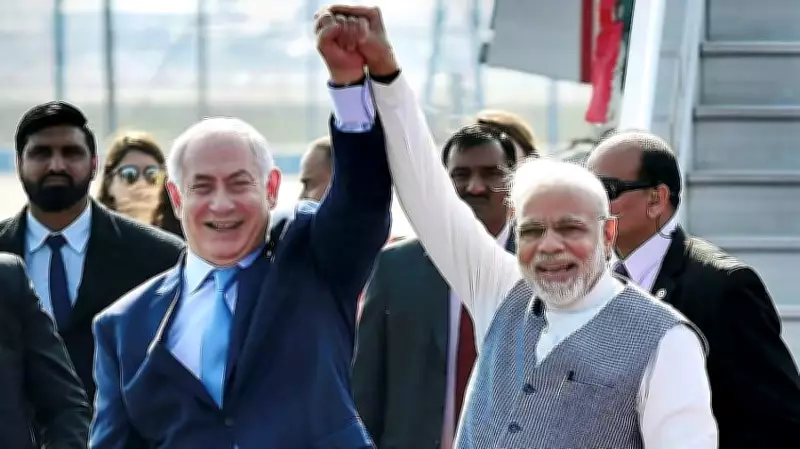
India and Israel Strengthen Anti-Terrorism Stance in High-Level Diplomatic Engagement
In a significant diplomatic development, India and Israel have jointly reaffirmed their steadfast commitment to a zero-tolerance policy towards terrorism. This reaffirmation came during high-level talks between officials from both nations, underscoring a shared resolve to combat global security threats through enhanced cooperation and strategic dialogue.
Reinforcing Bilateral Cooperation Against Terrorism
The discussions highlighted the mutual understanding between India and Israel on the grave dangers posed by terrorism to international peace and stability. Both countries emphasized the necessity of adopting a comprehensive and uncompromising approach to eradicate terrorist activities and networks. This includes strengthening intelligence-sharing mechanisms, coordinating counter-terrorism efforts, and promoting legal frameworks to prosecute perpetrators.
Key aspects of the reaffirmed policy include:

- A unified stance against all forms of terrorism, regardless of ideological or geographical origins.
- Commitment to international collaborations, such as through the United Nations, to address cross-border terrorist threats.
- Focus on disrupting terrorist financing and support systems to undermine their operational capabilities.
Context and Implications for Global Security
This reaffirmation builds upon the longstanding strategic partnership between India and Israel, which has evolved to encompass defense, technology, and economic ties. By reiterating their zero-tolerance policy, both nations aim to send a strong message to the international community about the urgency of collective action against terrorism. The move is seen as a response to escalating global security challenges, including recent incidents that have threatened regional stability.
The diplomatic talks also explored avenues for joint initiatives in cybersecurity and counter-radicalization programs, reflecting a forward-looking approach to preempt future threats.
Experts note that this reaffirmation could influence broader geopolitical dynamics, encouraging other countries to adopt similar stringent measures. It underscores the importance of bilateral and multilateral engagements in fostering a safer global environment, free from the scourge of terrorism.