India Issues Urgent Travel Advisories Amid Middle East Escalation After US-Israel Strikes on Iran
Indian diplomatic missions across the Middle East have issued urgent safety advisories on Saturday, calling upon nationals to exercise extreme caution and strictly follow established safety protocols. This critical development comes in response to rapidly escalating regional tensions following coordinated military strikes by the United States and Israel targeting Iran.
Stranded Travelers and Embassy Response in the UAE
The Embassy and Consulate of India in the United Arab Emirates reported significant disruptions, with numerous Indian passengers stranded at various airports. These disruptions are a direct consequence of temporary, precautionary airspace closures implemented by regional authorities. In an official communication via social media platform X, embassy officials confirmed they are maintaining close and continuous contact with both UAE authorities and airline operators. The primary objective of this engagement is to provide comprehensive support and necessary assistance to all affected Indian travelers during this period of uncertainty.
Heightened Alert for Nationals in Syria
Simultaneously, the Embassy of India in Damascus has issued a stern advisory directed at Indian nationals residing in or visiting Syria. The embassy has strongly urged individuals to avoid all non-essential travel, remain exceptionally vigilant in their daily movements, exercise due care, and adhere meticulously to all local safety guidelines. To facilitate communication during this crisis, the mission has disseminated emergency contact details, including a dedicated mobile number and a specific email address, for any urgent queries or assistance required by Indian citizens.

Background: The Coordinated Strikes and Regional Fallout
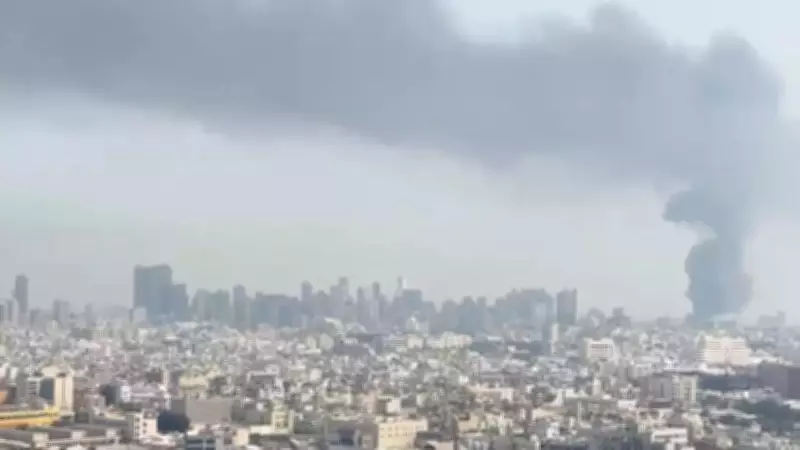
These precautionary advisories from Indian missions follow the day's earlier events, where the United States and Israel executed coordinated attacks on Iranian territory. Reports indicate multiple strikes occurred nationwide, including areas in proximity to the offices of Iran's Supreme Leader, Ayatollah Ali Khamenei. Visual accounts described smoke rising over Tehran as authorities moved swiftly to close major roads and emergency services responded to explosions.
US President Donald Trump characterized the military operation as a massive and decisive effort aimed at neutralizing Iran's military capabilities and thwarting its potential development of nuclear weapons. In a firm response, Iran's foreign ministry pledged to defend its sovereignty, with the Revolutionary Guard reportedly launching counterattacks. These retaliatory measures included drone and missile strikes targeting Israeli positions and US military installations located in allied nations across the region, specifically in Bahrain, Kuwait, and Qatar.
This exchange of hostilities marks a severe and dangerous escalation in the already heightened geopolitical tensions of the Middle East. Preliminary casualty reports from southern Iran alone confirm at least 85 deaths, underscoring the grave human cost of the conflict. The situation remains fluid and volatile, with global observers closely monitoring for further developments.