

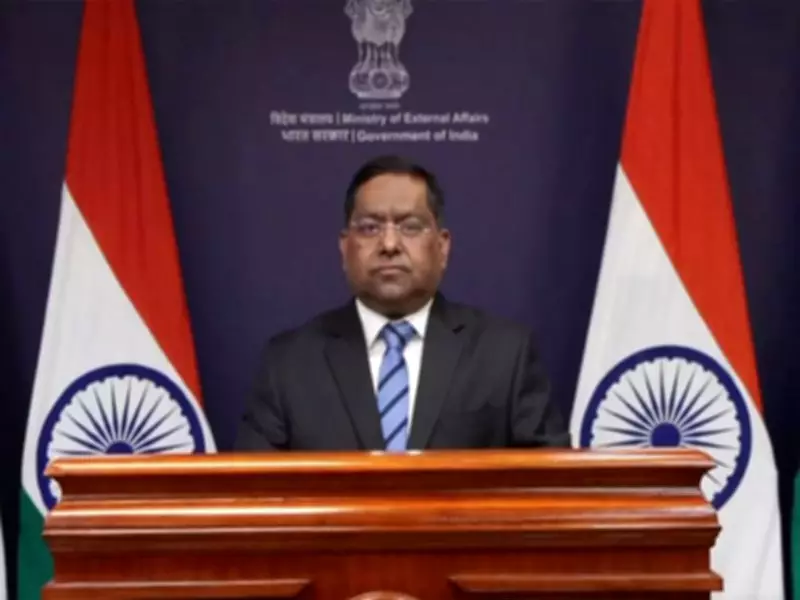
India Dismisses Pakistan's Allegations on Balochistan as Baseless Deflection
In a strong diplomatic rebuttal, India has categorically rejected Pakistan's recent accusations concerning the situation in Balochistan, labeling them as "baseless" and part of Islamabad's usual tactics to deflect attention from its own internal challenges. The response comes amid escalating tensions between the two neighboring nations over regional issues.
Background of the Diplomatic Exchange
The controversy erupted when Pakistan raised concerns about alleged Indian involvement in the violence in Balochistan, a province in southwestern Pakistan that has been grappling with insurgency and unrest for years. India, in its official statement, countered these claims by asserting that such allegations are unfounded and serve only to shift focus away from Pakistan's domestic problems.
This diplomatic spat is not an isolated incident but part of a broader pattern of accusations and counter-accusations that have characterized India-Pakistan relations. Historically, both countries have often traded barbs over territorial disputes, cross-border terrorism, and human rights issues, with Balochistan emerging as a recurring flashpoint in recent years.

India's Firm Stance and Rationale
India's rejection of Pakistan's claims is rooted in several key points:
- Lack of Evidence: Indian officials have emphasized that there is no credible proof to support Pakistan's allegations of Indian interference in Balochistan.
- Deflection Strategy: India views these accusations as a deliberate attempt by Pakistan to divert international attention from its own internal strife, including economic instability and governance issues.
- Consistency in Policy: New Delhi has maintained a consistent position of non-interference in the internal affairs of other countries, and it reiterates this principle in its response.
Moreover, India has called upon Pakistan to address the root causes of violence in Balochistan through dialogue and political engagement with local stakeholders, rather than resorting to blame games that exacerbate regional tensions.
Implications for Regional Stability
The exchange highlights the fragile state of India-Pakistan relations and its potential impact on South Asian stability. Key implications include:
- Diplomatic Strain: Such accusations can further strain bilateral ties, making it harder to resolve longstanding disputes like Kashmir through peaceful means.
- International Perception: The global community often views these exchanges as counterproductive, urging both nations to focus on constructive dialogue.
- Humanitarian Concerns: The ongoing violence in Balochistan raises serious humanitarian issues, and politicizing the situation may hinder efforts to provide aid and support to affected populations.
In conclusion, India's rejection of Pakistan's claims underscores a firm commitment to diplomatic principles while calling for a more responsible approach from Islamabad. As both countries navigate complex geopolitical landscapes, the need for transparency and cooperation remains paramount to ensure regional peace and security.






