

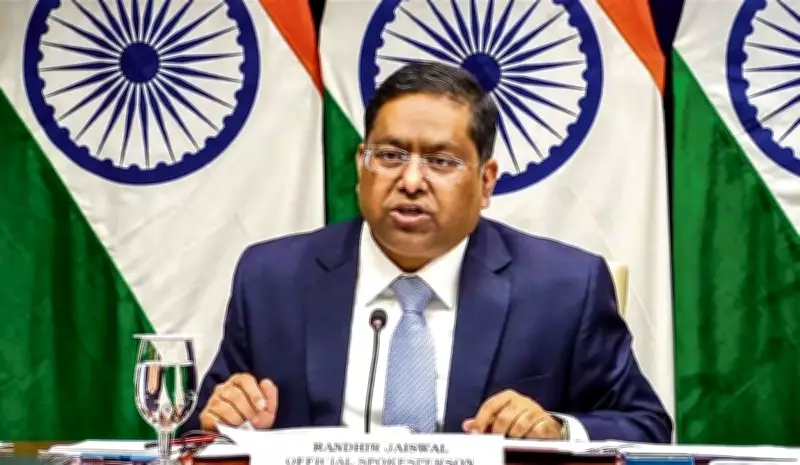
In a strong diplomatic rebuttal, India has addressed recent comments made by former United States President Donald Trump regarding its energy policies. The Indian government has clarified that all decisions related to energy sourcing are meticulously planned and executed with the primary objective of serving the interests of its vast population of 1.4 billion people.
Context of Trump's Remarks and India's Firm Response
Former President Trump, known for his outspoken views, had made claims suggesting that India and other nations are making energy choices under external influence or pressure. However, India's official stance, as articulated by government representatives, emphasizes that such assertions are unfounded and do not reflect the reality of the country's sovereign decision-making process.
Prioritizing National Interests and Citizen Welfare
The core of India's response revolves around its commitment to ensuring energy security and affordability for every citizen. With a population exceeding 1.4 billion, the government asserts that energy policies are crafted to balance economic growth, environmental sustainability, and social equity. This approach is seen as crucial for supporting India's development goals and improving the quality of life across diverse regions.

Key aspects of India's energy strategy include:
- A diversified energy mix incorporating renewable sources like solar and wind power.
- Initiatives to enhance energy efficiency and reduce dependence on imports.
- Programs aimed at providing electricity access to remote and underserved areas.
Broader Implications for International Relations and Climate Goals
This exchange highlights the ongoing dialogue between India and global powers on energy and climate issues. India has been actively participating in international forums, such as the United Nations Climate Change Conferences, to advocate for equitable solutions that consider the needs of developing economies. By reaffirming its autonomy in energy decisions, India positions itself as a key player in shaping global energy transitions while addressing domestic priorities.
Experts note that India's stance underscores its growing confidence in navigating complex geopolitical landscapes. The country's emphasis on serving its large population aligns with broader trends in national policymaking, where domestic welfare often takes precedence over external criticisms.
In summary, India's rejection of Trump's claims serves as a reminder of its strategic focus on energy independence and citizen-centric governance. As the world grapples with energy challenges, India's approach offers insights into how nations can tailor policies to meet local needs while contributing to global sustainability efforts.






