India Issues Strong Rebuttal to US Panel Report on RSS Sanctions
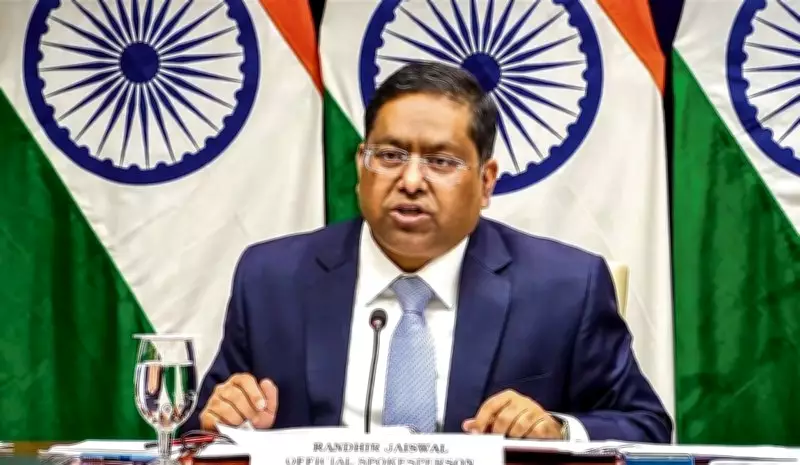
India has delivered a firm diplomatic response to a recent report from a United States panel that called for sanctions against the Rashtriya Swayamsevak Sangh (RSS), labeling the document as fundamentally biased and lacking objectivity. The External Affairs Ministry spokesperson, Randhir Jaiswal, articulated India's position from New Delhi, emphasizing the country's commitment to democratic principles and religious freedom.
Ministry of External Affairs Denounces Report as Unfounded
In a detailed statement, the Ministry of External Affairs rejected the recommendations of the US Commission on International Religious Freedom (USCIRF), which had advocated for sanctions under the International Religious Freedom Act. The Indian government criticized the report for its selective approach and failure to acknowledge the pluralistic and inclusive nature of Indian society. Officials highlighted that such external assessments often overlook the robust legal and constitutional frameworks in place within India to protect all religious communities.
Addressing Attacks on Hindu Temples in the United States
The Indian response also brought attention to the concerning incidents of attacks on Hindu temples across the United States, urging US authorities to ensure the safety and security of Indian diaspora communities. This point underscores the broader context of religious freedom discussions, where India has expressed concerns about the treatment of Hindu minorities abroad while defending its domestic record.

Political Reactions and Domestic Criticism
Domestically, the Congress party has seized on the issue, blaming the RSS for what it describes as bringing "shame" to the nation through international scrutiny. This political dimension adds layers to the narrative, with opposition voices leveraging the US report to critique the ruling establishment and its ideological affiliates. The debate reflects ongoing tensions within Indian politics regarding nationalism, religious identity, and global perceptions.
Implications for India-US Relations
This episode occurs against the backdrop of complex India-US relations, where strategic partnerships coexist with periodic diplomatic friction over human rights and religious issues. India's rebuttal signals its unwillingness to accept external interference in internal matters, while also calling for mutual respect in bilateral engagements. The situation highlights the delicate balance between fostering international cooperation and asserting national sovereignty.
As developments unfold, stakeholders will monitor how this diplomatic exchange influences broader ties between the two democracies, particularly in areas like trade, security, and cultural exchanges. The Indian government's stance reaffirms its policy of engaging with international critiques through dialogue but firmly rejecting what it views as prejudiced or uninformed assessments.