India Granted Safe Harbor to Iranian Warship IRIS Lavan at Kochi Prior to Sinking of IRIS Dena
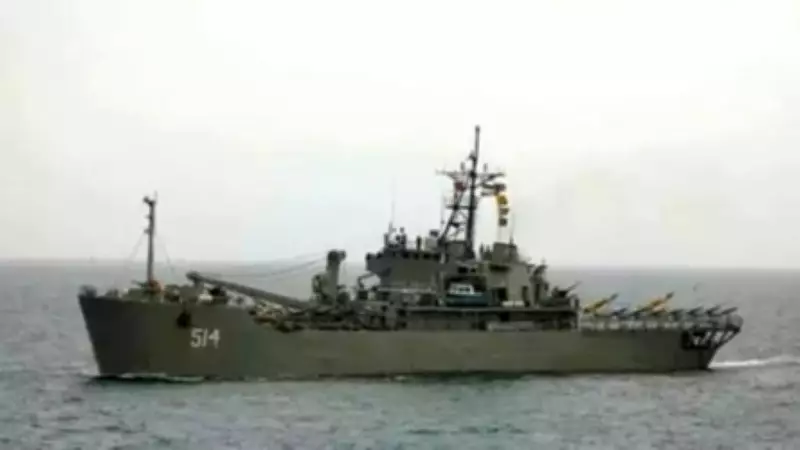
In a critical diplomatic and security maneuver, India provided refuge to the Iranian naval vessel IRIS Lavan at the port of Kochi just days before a United States submarine torpedoed and sank its sister ship, IRIS Dena, in international waters south of Sri Lanka. This intervention potentially saved the lives of 183 crew members aboard IRIS Lavan, highlighting India's complex role in regional maritime security amid escalating US-Iran-Israel hostilities.
Urgent Request and Swift Indian Response
According to government sources, Iran formally approached India on February 28 with an urgent request to dock IRIS Lavan at Kochi port, citing unspecified "technical" issues with the vessel. This request coincided precisely with the launch of the US and Israel's joint 'Epic Fury' offensive against Iran, signaling heightened military tensions in the region. India responded promptly, granting permission on March 1 for the ship to safely dock.
IRIS Lavan successfully arrived at Kochi on March 4, the same day IRIS Dena was attacked and sunk. The 183 crew members of IRIS Lavan were accommodated at Indian naval facilities in Kochi, ensuring their security and well-being. This decisive action by New Delhi provided a crucial sanctuary, allowing the ship and its personnel to evade the tragic fate that befell IRIS Dena.

The Sinking of IRIS Dena and Regional Implications
IRIS Dena, an Iranian frigate, was returning home after participating in the Milan multilateral naval exercise hosted by India when it was struck without warning by a torpedo fired from a US submarine. The attack resulted in the deaths of at least 87 Iranian sailors and has been widely interpreted as a direct challenge to India's traditional influence and role as a security provider in the Indian Ocean region.
Iranian Foreign Minister Seyed Araghchi emphasized the gravity of the incident, stating that "the ship had been a guest of the Indian Navy," underscoring the diplomatic sensitivities involved. The sinking has intensified scrutiny on regional power dynamics and India's strategic positioning between global powers.
Broader Context and Additional Iranian Naval Movements
The incident occurs against a backdrop of ongoing conflict between Israel and Iran, with recent reports indicating that 50 Israeli jets destroyed an underground military bunker belonging to Iran's Supreme Leader Ali Khamenei. Additionally, allegations have surfaced that Russia is providing real-time intelligence to Tehran regarding American military assets, further complicating the geopolitical landscape.
In a related development, a third Iranian navy ship, IRIS Bushehr, has sought and received shelter in Sri Lanka, likely fearing a similar attack by US forces. While its crew is safe on land, the vessel itself remains anchored in international waters, reflecting the precarious situation faced by Iranian naval assets in the region.
India's decision to harbor IRIS Lavan demonstrates a careful balancing act, adhering to humanitarian and diplomatic protocols while navigating the volatile tensions between Iran, the US, and Israel. This episode underscores the increasing significance of maritime security and India's pivotal, yet challenging, role in maintaining stability in the Indian Ocean amidst global confrontations.