India Delivers Scathing Rebuttal to Pakistan at UN Human Rights Council
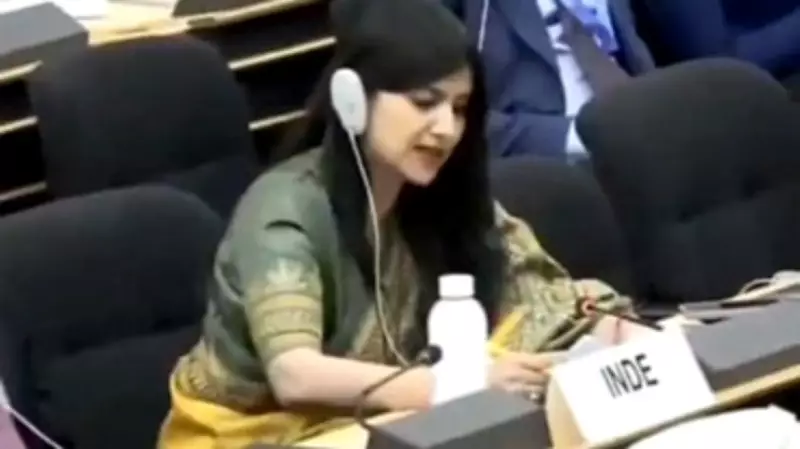
In a powerful diplomatic move, India has issued a sharp response to Pakistan at the United Nations Human Rights Council, dismissing allegations as baseless and accusing Islamabad of operating in a detached reality. Exercising India's Right to Reply during the high-level segment, First Secretary Anupama Singh delivered a firm statement that has drawn international attention.
Rejection of Allegations and Criticism of OIC
Anupama categorically rejected the claims made by Pakistan and the Organisation of Islamic Cooperation (OIC), asserting that these allegations lack factual foundation and are politically motivated. She emphasized that India remains committed to human rights and democratic principles, contrasting this with what she described as Pakistan's problematic record.
The Indian diplomat specifically targeted the OIC, stating that the grouping has regrettably allowed itself to become what she termed an "echo chamber" for a single member state. This criticism suggests that India views the OIC as uncritically amplifying Pakistan's positions without independent assessment of the facts.

Pakistan's "La La Land" Accusation
In perhaps the most memorable phrase of her statement, Anupama declared that Pakistan is "living in la la land" – a colloquial expression meaning detached from reality or living in a fantasy world. This colorful language underscores India's frustration with what it perceives as Pakistan's persistent misrepresentation of facts in international forums.
The exchange occurred during discussions at the UN Human Rights Council in Geneva, where member states regularly address human rights concerns globally. India's forceful response reflects its growing confidence in countering what it views as unfounded criticism on the international stage.
Broader Diplomatic Context
This confrontation occurs against the backdrop of longstanding tensions between the two nuclear-armed neighbors. Key points from India's position include:
- Assertion of India's sovereign right to address internal matters without external interference
- Highlighting what India describes as Pakistan's own human rights challenges
- Rejection of what India considers Pakistan's attempts to internationalize bilateral issues
- Criticism of multilateral organizations being used for narrow political agendas
The Indian delegation's statement represents a continuation of New Delhi's more assertive diplomatic posture in recent years, particularly regarding Pakistan-related matters in international organizations. This approach has become more pronounced as India seeks to counter what it views as coordinated efforts to tarnish its international reputation.
Diplomatic observers note that such exchanges at the UN Human Rights Council have become increasingly common as both nations utilize international platforms to advance their respective narratives. India's latest response signals its unwillingness to let allegations go unchallenged, particularly when they originate from Pakistan or groups perceived as sympathetic to Pakistan's position.
The statement concluded with India reaffirming its commitment to constructive dialogue on human rights while firmly rejecting what it described as politically motivated criticism. The exchange highlights the ongoing diplomatic friction between the two South Asian neighbors on the global stage.