

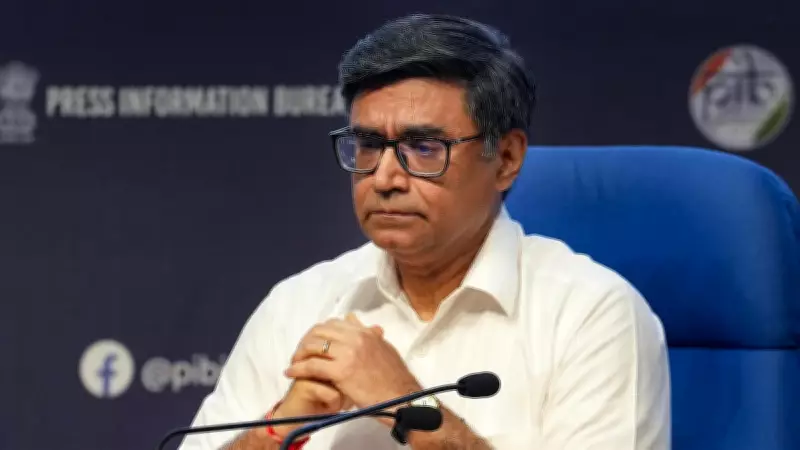
India's Foreign Secretary Clarifies Energy Import Strategy
Foreign Secretary Vikram Misri has articulated India's steadfast approach to oil imports, emphasizing that the nation's decisions are fundamentally guided by national interests rather than dependence on any single source. In a recent statement, he underscored that India's primary objective is to safeguard the well-being of its vast consumer base through a meticulously crafted energy policy.
Core Principles of India's Energy Policy
Misri outlined the three pillars that form the bedrock of India's energy strategy. First, the policy is driven by the imperative of adequate availability to meet the growing domestic demand. Second, it prioritizes fair pricing to ensure affordability for consumers and economic stability. Third, it focuses on the reliability of supply to prevent disruptions and maintain energy security.
This comprehensive framework ensures that India's oil import decisions are not swayed by geopolitical pressures or over-reliance on specific countries. Instead, they are strategically diversified to optimize benefits for the Indian economy and its people.

Strategic Diversification in Global Energy Markets
The Foreign Secretary's remarks highlight India's proactive and pragmatic stance in the global energy landscape. By avoiding concentration on single sources, India mitigates risks associated with supply chain vulnerabilities and market volatility. This approach aligns with the nation's broader economic goals and enhances its negotiating power in international trade.
India's energy policy, as articulated by Misri, reflects a long-term vision that balances immediate consumer needs with sustainable energy security. It underscores the government's commitment to a resilient and self-reliant energy sector, capable of withstanding global uncertainties.






