India's Position on Regional War Sparks Debate Amid US Military Action
India's government has come under scrutiny for what critics describe as an underwhelming and hesitant stance regarding escalating conflicts in the Middle East. This cautious approach has been highlighted by a recent, decisive military move from the United States that occurred in close proximity to Indian maritime interests.
A Contrast in Responses: Hesitation Versus Action
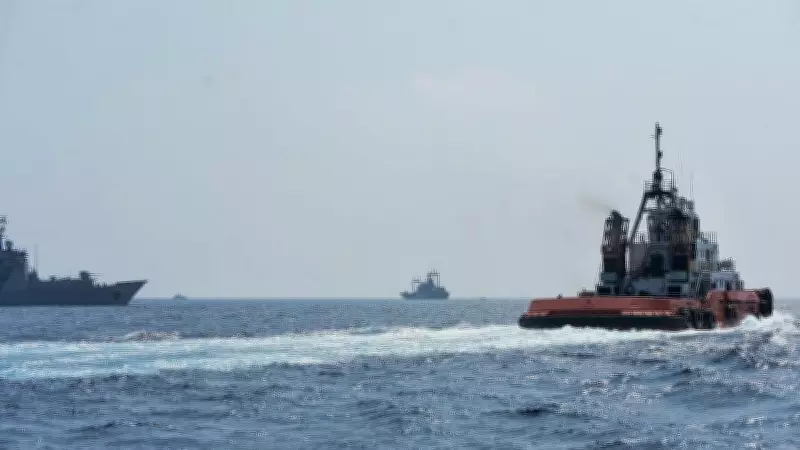
While Indian diplomatic channels appeared to be deliberating and weighing options, the United States Navy took direct action by torpedoing an Iranian ship. This significant event unfolded in a region often considered within India's strategic backyard, raising questions about New Delhi's capacity and willingness to assert influence in volatile international waters.
The incident underscores a growing perception that India's foreign policy machinery is dithering in the face of complex geopolitical crises. Analysts point to a pattern of reactive rather than proactive diplomacy, which may undermine the nation's aspirations for a greater global leadership role.

Geopolitical Implications for India
The location of the US strike—near Indian waters—adds a layer of urgency to the debate. It forces a reckoning with how India navigates its relationships with major powers like the US and regional adversaries such as Iran. Key considerations include:
- Security Concerns: The proximity of conflict to Indian maritime zones poses direct threats to trade routes and national security.
- Diplomatic Balancing: India must carefully manage ties with both Washington and Tehran, complicating its response.
- Strategic Autonomy: The episode tests India's commitment to an independent foreign policy versus alignment with US interests.
This situation is not merely about a single military action; it reflects broader tensions in West Asia and the Middle East, where India has significant economic and energy stakes. The government's perceived indecision could have lasting repercussions on its credibility as a stabilizing force in the region.
Broader Context and Future Outlook
The criticism of India's position comes amid ongoing conflicts that demand clear and firm international responses. As global powers take sides or intervene militarily, India's cautious diplomacy risks being viewed as passive or ineffectual. Moving forward, experts urge a more coherent and assertive strategy that protects national interests while contributing to regional stability.
Ultimately, the contrast between US decisiveness and Indian hesitation serves as a pivotal moment for reevaluating foreign policy frameworks. It highlights the need for India to articulate and execute a vision that matches its growing economic and strategic weight on the world stage.