

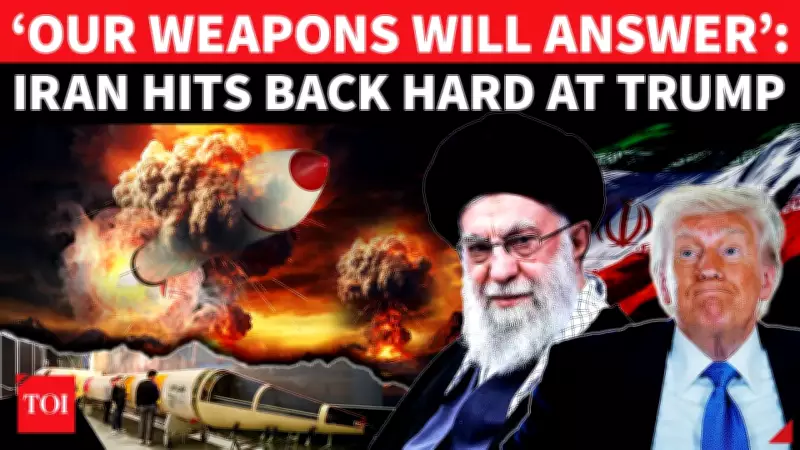
Iran Warns US: 'Weapons Will Back Our Words' as Nuclear Talks Hit Crisis
In a dramatic escalation of tensions, Iran's president delivered a fiery message to Washington, declaring, "We seek to secure our rights!" This statement, made on February 10, 2026, marks a critical juncture as nuclear negotiations between Iran and the United States have reached a severe impasse. The rhetoric signals Iran's growing impatience and resolve, with every word now weighed as a potential weapon in this high-stakes international standoff.
Diplomatic Breakdown and Rising Tensions
The nuclear talks, aimed at reviving the 2015 nuclear deal, have stalled amid mutual accusations and distrust. Iran's latest warning underscores the volatile intersection of diplomacy, national pride, and global security. Analysts observe that Tehran is demonstrating increased determination to assert its sovereignty, even as the world watches closely, wary of the next move in this escalating confrontation.
"This moment is pivotal," one expert noted. "Iran's statement is not just rhetoric; it reflects a strategic shift towards more assertive posturing, potentially backed by military capabilities." The reference to weapons backing words has raised alarms in diplomatic circles, suggesting that Iran may be preparing to bolster its stance with tangible military demonstrations or advancements in its nuclear program.

Global Implications and Regional Dynamics
The tensions come at a time when regional stability is already fragile. Iran's actions and statements are closely monitored by neighboring countries and global powers alike. The standoff with the US has broader implications for:
- International Security: Any miscalculation could lead to heightened conflicts, affecting global peace efforts.
- Economic Stability: Escalating tensions often impact oil markets and trade routes in the Middle East.
- Diplomatic Relations: Other nations, including European allies, are caught in the crossfire, trying to mediate while protecting their interests.
Moreover, Iran's recent display of a mural mapping Tel Aviv targets with the phrase 'WE FINISH IT!' has further inflamed tensions with Israel, adding another layer of complexity to the situation. Israel has warned that Tehran might be saving nuclear capabilities for potential attacks, raising the stakes in an already volatile region.
What's Next for Nuclear Negotiations?
As the impasse deepens, the path forward remains uncertain. Key factors influencing the outcome include:
- US Response: How Washington reacts to Iran's warnings will be crucial in determining whether talks can resume or if further escalation occurs.
- Iran's Strategic Calculations: Tehran's willingness to compromise versus its commitment to national rights will shape the negotiation dynamics.
- International Pressure: The role of other global actors in facilitating dialogue or imposing sanctions could sway the situation.
In summary, the current crisis highlights the fragile nature of international diplomacy when core national interests are at stake. With Iran's president emphasizing that weapons will back their words, the world braces for potential shifts in this high-tension standoff, underscoring the urgent need for renewed diplomatic efforts to prevent further deterioration.






