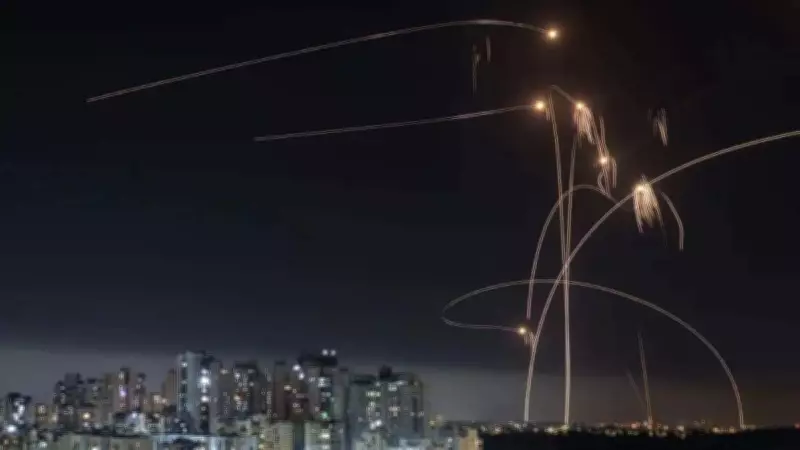
How Israel's Iron Dome Could Be a Game-Changer for India's Mission Sudarshan Chakra
In the realm of modern defense strategies, Israel's Iron Dome missile defense system has emerged as a technological marvel, renowned for its high interception rates and operational efficiency. This system, which has been pivotal in protecting Israeli airspace from rocket threats, is now drawing significant attention from India as it advances its own ambitious defense initiative, Mission Sudarshan Chakra. The potential integration of Iron Dome-like technologies could fundamentally reshape India's approach to national security and strategic defense.
Understanding the Iron Dome System
The Iron Dome is a mobile all-weather air defense system developed by Rafael Advanced Defense Systems and Israel Aerospace Industries. It is designed to intercept and destroy short-range rockets and artillery shells fired from distances of 4 to 70 kilometers. The system's success lies in its sophisticated radar and tracking technology, which allows it to distinguish between threats heading toward populated areas and those that will land harmlessly, thereby optimizing interceptor missile usage.
Since its deployment in 2011, the Iron Dome has achieved interception rates exceeding 90%, making it a critical component of Israel's multi-layered missile defense architecture. Its ability to provide real-time protection against a variety of aerial threats has set a global benchmark for similar systems.

India's Mission Sudarshan Chakra: An Overview
Mission Sudarshan Chakra is India's indigenous initiative aimed at developing a comprehensive missile defense shield. This project is part of the country's broader efforts to enhance its defensive capabilities against potential ballistic missile threats from neighboring regions. The mission focuses on creating a layered defense system that can detect, track, and neutralize incoming missiles at different stages of their flight.
Key objectives of Mission Sudarshan Chakra include achieving technological self-reliance in defense manufacturing, reducing dependency on foreign systems, and ensuring the security of critical infrastructure and population centers. The project involves collaboration between the Defense Research and Development Organization (DRDO), Indian Armed Forces, and private sector entities.
Potential Synergies Between Iron Dome and Mission Sudarshan Chakra
The Iron Dome's proven effectiveness offers valuable lessons for India's Mission Sudarshan Chakra. By studying the Israeli system's design and operational protocols, India could accelerate the development of its own missile defense technologies. Potential areas of synergy include:
- Radar and Detection Capabilities: Adopting advanced radar systems similar to those used in the Iron Dome could enhance India's ability to identify and track incoming threats with greater precision.
- Interceptor Missile Technology: Learning from the Iron Dome's interceptor missile design could help India develop more cost-effective and reliable missiles for its defense shield.
- Command and Control Systems: Implementing robust command and control frameworks inspired by the Iron Dome could improve coordination and response times during defense operations.
- Operational Training and Tactics: Collaborating with Israeli defense experts could provide Indian personnel with insights into effective deployment and maintenance strategies.
Strategic Implications for India's Defense Posture
Integrating Iron Dome-inspired technologies into Mission Sudarshan Chakra could significantly bolster India's defense posture. A successful missile defense shield would not only protect against external threats but also serve as a deterrent, potentially reducing the likelihood of hostile actions. Moreover, this advancement would align with India's vision of becoming a global leader in defense innovation and manufacturing.
However, challenges such as high costs, technological complexities, and the need for continuous upgrades must be addressed. India's focus on indigenization through initiatives like Make in India could help mitigate some of these issues by fostering local expertise and reducing import dependencies.

Conclusion: A Path Forward for Enhanced Security
As India progresses with Mission Sudarshan Chakra, the Iron Dome stands as a compelling model for achieving rapid and effective missile defense capabilities. By leveraging lessons from Israel's experience, India can enhance its strategic autonomy and ensure robust protection for its citizens and assets. The journey toward a fully operational defense shield will require sustained investment, innovation, and international cooperation, but the potential rewards in terms of national security are immense.