Israel Envoy Reveals Netanyahu Approved Iran Strike 48 Hours After Modi's Departure
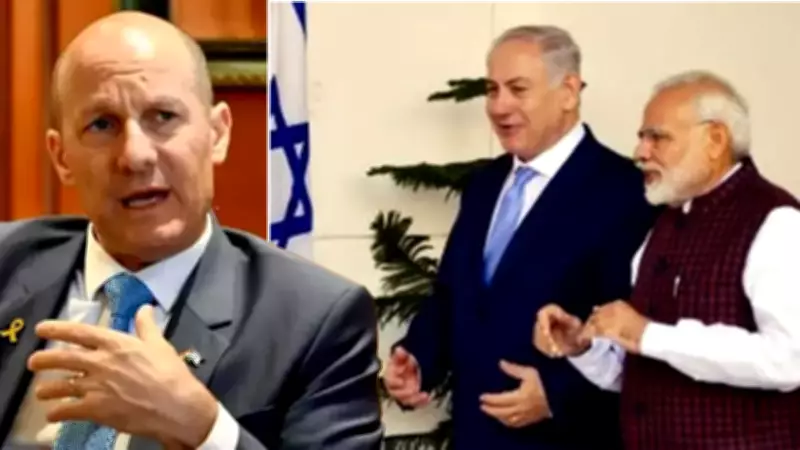
Just days after Prime Minister Narendra Modi concluded his high-profile state visit to Israel, the Middle East region was plunged into a severe military confrontation. Israeli Ambassador to India, Reuven Azar, has made a significant disclosure regarding the timing of the controversial strike on Iran.
Critical Timing of Military Authorization
Ambassador Azar revealed that the Israeli security cabinet, under Prime Minister Benjamin Netanyahu's leadership, granted approval for the military operation against Iran precisely 48 hours after Prime Minister Modi had departed from Israeli territory. The envoy described this timing as representing an "operational opportunity" that aligned with strategic considerations.
The attack, which targeted Iranian military installations, resulted in substantial casualties and immediately triggered retaliatory measures from Tehran. Iranian forces launched counter-strikes focusing on strategic locations across Gulf regions, escalating tensions throughout the volatile Middle East.

India's High-Stakes Position in Regional Conflict
For India, the unfolding conflict presents multiple critical challenges:
- Diaspora Security: Millions of Indian citizens reside and work throughout Gulf nations, placing their safety at immediate risk during regional hostilities.
- Energy Security: India depends heavily on Middle Eastern oil imports, making regional stability essential for maintaining energy supply chains.
- Diplomatic Balancing: New Delhi maintains important relationships with both Israel and Gulf nations, requiring careful navigation of competing interests.
India's Diplomatic Response and Global Implications
In response to the escalating conflict, the Indian government has intensified diplomatic outreach efforts across multiple channels. Foreign ministry officials have engaged with counterparts from affected nations, consistently urging restraint and advocating for dialogue-based conflict resolution.
The sequence of events—beginning with high-level diplomatic engagement through Prime Minister Modi's visit, followed rapidly by military action—has raised significant questions within international diplomatic circles:
- Strategic Timing: Whether the proximity between diplomatic visits and military operations represents calculated planning or coincidental circumstance.
- Regional Sensitivity: How major powers navigate relationships in a region where alliances frequently shift and conflicts quickly escalate.
- Global Calculations: The broader implications for international security architecture when diplomatic overtures are followed by military strikes.
The Middle East now stands at what regional analysts describe as a particularly volatile crossroads, with the potential for further escalation remaining high. India's response will be closely watched as it balances multiple strategic interests while advocating for regional stability.