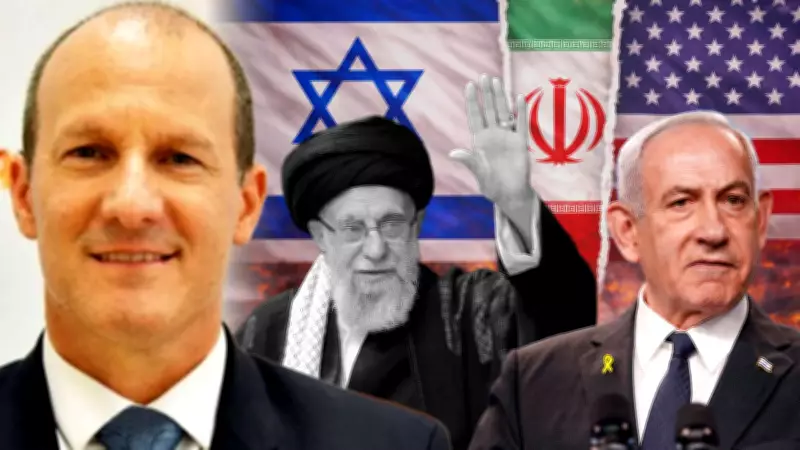
Israel's Ambassador Discloses Security Dialogue with India Following Iran Strikes
In a significant diplomatic development, Israel's Ambassador to India, Reuven Azar, has publicly revealed that his country engaged in direct communication with Indian authorities to convey its security concerns in the aftermath of recent strikes on Iran. This outreach underscores the deepening strategic ties between Israel and India, while also highlighting the delicate balancing act New Delhi must perform in a volatile regional landscape.
Diplomatic Outreach and Key Discussions
Ambassador Azar stated that Israel's Foreign Minister, Gideon Saar, held crucial talks with India's External Affairs Minister, S Jaishankar. During these discussions, Minister Saar outlined the rationale behind Israel's military actions against Iran. The Israeli government has consistently argued that Iran was approaching a critical juncture where its nuclear facilities would become deeply buried and effectively untouchable, raising alarm bells about the potential emergence of a North Korea-style nuclear state in West Asia.
Israel maintains that its strikes were a preemptive measure aimed at preventing long-term regional destabilization. By taking military action, Tel Aviv asserts it sought to curb Iran's nuclear ambitions before they reached an irreversible point, thereby safeguarding not only its own security but also the broader stability of the Middle East.

India's Sensitive Position in Regional Dynamics
This revelation places India in a particularly sensitive diplomatic position. New Delhi has cultivated strong defence and strategic partnerships with Israel over the years, benefiting from advanced military technology and intelligence sharing. Simultaneously, India maintains significant economic and energy ties with Iran and other Gulf nations, which are crucial for its energy security and regional influence.
The escalating tensions between Israel and Iran compel India to navigate a complex web of alliances and interests. On one hand, supporting Israel's security concerns aligns with India's own strategic objectives in countering terrorism and ensuring regional stability. On the other hand, alienating Iran could jeopardize India's investments in the Chabahar port and its access to affordable oil, which are vital for its economic growth and connectivity projects in Central Asia.
Broader Implications for India's Foreign Policy
India's response to Israel's outreach will be closely watched by international observers. As a rising global power, India's ability to balance its relationships with conflicting parties in the Middle East will test its diplomatic acumen. The situation demands a nuanced approach that prioritizes national security interests while upholding commitments to multilateral diplomacy and peaceful conflict resolution.
Key considerations for India include:
- Maintaining robust defence cooperation with Israel without compromising ties with Iran.
- Ensuring energy security through continued engagement with Gulf nations.
- Advocating for de-escalation and dialogue to prevent further regional instability.
This episode highlights the intricate challenges India faces as it seeks to assert its influence on the world stage while managing diverse and sometimes contradictory partnerships. The outcome of this diplomatic balancing act could have far-reaching implications for India's role in global affairs and its pursuit of strategic autonomy.