India's Diplomatic Outreach in Middle East Crisis
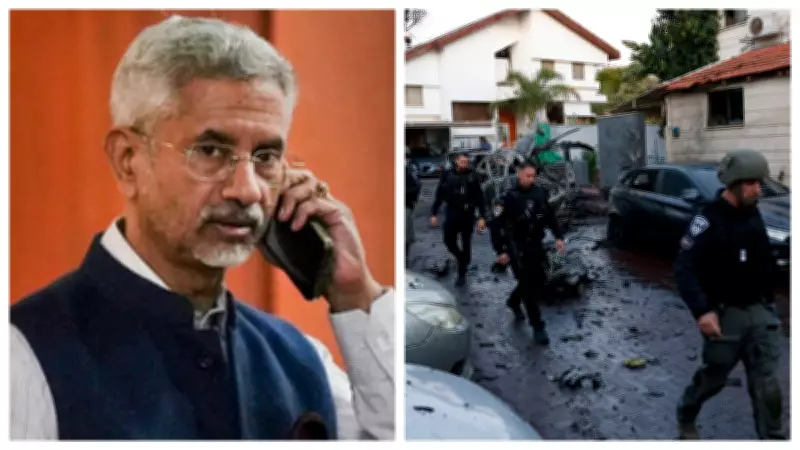
In a significant diplomatic move, External Affairs Minister S. Jaishankar has engaged in high-level talks with both Iran and Israel, underscoring India's proactive stance in addressing the escalating tensions in the Middle East. The discussions, held on February 28, 2026, come at a critical juncture as regional conflicts threaten to destabilize global security.
Key Points from Jaishankar's Engagements
Jaishankar's conversations with his Iranian and Israeli counterparts focused on urging restraint and promoting dialogue to prevent further escalation. India, with its longstanding ties to both nations, positioned itself as a neutral advocate for peace, emphasizing the need for immediate de-escalation measures.
India's Call for De-escalation: The Indian government has publicly called for all parties involved in the Middle East crisis to exercise maximum restraint. This appeal aligns with India's broader foreign policy of non-interference and conflict resolution through diplomatic channels.

India's Strategic Interests in the Region
The Middle East holds substantial strategic and economic importance for India, particularly in terms of energy security and the welfare of the Indian diaspora. Jaishankar's interventions highlight India's commitment to safeguarding these interests while contributing to regional stability.
Impact on Global Dynamics: The crisis has drawn international concern, with major powers closely monitoring developments. India's diplomatic efforts are seen as a crucial step in mitigating risks and fostering a collaborative approach to conflict resolution.
Future Steps and International Response
As the situation evolves, India is expected to continue its engagement with key stakeholders, including through multilateral forums. The international community has largely welcomed India's role, recognizing its potential to bridge divides and facilitate peace talks.
In summary, Jaishankar's talks with Iran and Israel reflect India's assertive diplomacy in a volatile region, with a clear message: de-escalation is imperative to avert broader humanitarian and geopolitical consequences.