

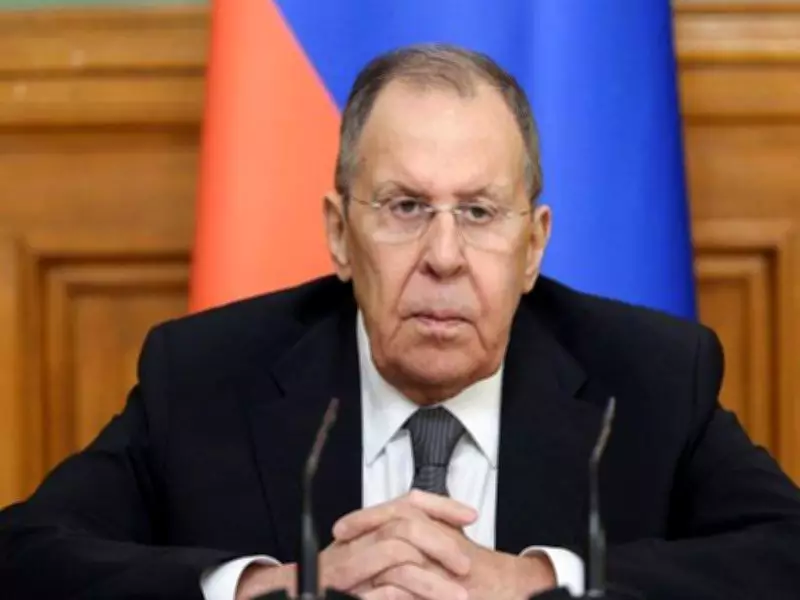
Russian Foreign Minister Criticizes US Over Energy Policy
In a pointed diplomatic statement, Russian Foreign Minister Sergey Lavrov has taken a direct dig at the United States, accusing it of attempting to prohibit India and other international partners from accessing affordable energy sources from Russia. This remark underscores the ongoing geopolitical tensions surrounding global energy markets and international trade relations.
Lavrov's Accusation Against US Actions
Lavrov asserted that the US is actively trying to impose bans on countries like India, which rely on Russian energy imports to meet their domestic needs at lower costs. He emphasized that such moves by the US are aimed at disrupting the economic benefits that nations gain from purchasing Russian oil and gas, which are often priced competitively compared to other global suppliers.
This criticism comes amid heightened scrutiny over energy deals between Russia and various countries, particularly as Western nations, led by the US, have imposed sanctions on Russia following its actions in Ukraine. Lavrov's comments highlight a broader conflict where energy has become a tool in international diplomacy, affecting alliances and trade partnerships worldwide.

Impact on India and Global Partners
India, as a key partner for Russia in energy trade, has significantly increased its purchases of Russian oil in recent years, taking advantage of discounted prices. Lavrov pointed out that efforts by the US to curb these imports could harm India's economy by forcing it to seek more expensive alternatives, thereby increasing energy costs for consumers and industries.
Other nations, including some in Asia and Europe, also engage in similar trade with Russia, and Lavrov warned that US interference could destabilize global energy security. He argued that such policies not only target Russia but also penalize countries striving for energy affordability and independence.Broader Geopolitical Implications
The statement from Lavrov reflects the deepening divide between Russia and Western powers over energy politics. As the US pushes for reduced reliance on Russian energy, countries like India face pressure to align with Western sanctions, potentially straining their diplomatic and economic ties with Russia.
- This situation raises questions about the future of international energy cooperation.
- It also highlights the challenges nations face in balancing economic interests with geopolitical alignments.
- Experts suggest that such conflicts could lead to shifts in global trade patterns and energy alliances.
In conclusion, Lavrov's remarks serve as a stark reminder of how energy resources are increasingly central to global power struggles, with countries like India caught in the crossfire of US-Russia tensions. The outcome of this dispute could have lasting effects on energy prices and international relations across multiple regions.






