

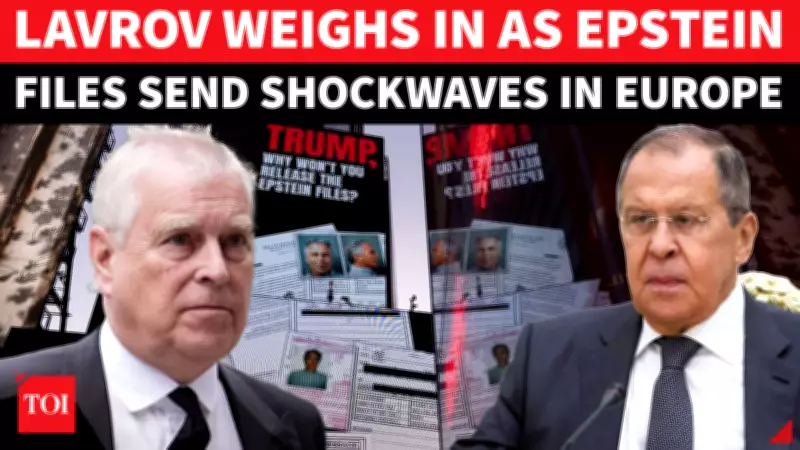
Russian Foreign Minister Unleashes Scathing Critique of Western Elites Over Epstein Scandal
In a blistering diplomatic broadside, Russian Foreign Minister Sergey Lavrov has characterized recent revelations from the Jeffrey Epstein document release as "pure Satanism," delivering a harsh condemnation of Western political and social structures. The inflammatory remarks came as numerous high-profile individuals from Europe and North America found themselves named in the newly disclosed legal papers pertaining to the convicted sex offender.
Lavrov's Fiery Rhetoric Targets Western Moral Authority
Speaking at a press briefing in Moscow, Lavrov did not mince words when addressing the international fallout from the Epstein document disclosure. "This entire sordid affair serves as a testament to the profound decay festering within Western elites," declared the veteran diplomat, whose tenure spans decades of geopolitical maneuvering. "What we are witnessing is not merely criminal behavior but something far more sinister—a systemic moral collapse that these nations have long attempted to conceal behind their rhetoric of democratic values."
The Russian foreign minister's comments represent one of Moscow's most direct attempts to leverage the Epstein scandal for geopolitical advantage, coming amid ongoing tensions between Russia and Western powers over multiple international conflicts. Lavrov specifically highlighted the inclusion of European royalty and business magnates in the documents as particularly damning evidence of what he termed "hypocrisy at the highest levels."

High-Profile Names Surface in Epstein Document Release
The documents released by the U.S. Department of Justice have indeed cast an uncomfortable spotlight on numerous prominent figures across the Atlantic. Among those named are British royal Prince Andrew, whose association with Epstein has previously generated significant controversy and led to his withdrawal from public duties. Norwegian Princess Märtha Louise has also been identified in the papers, adding another layer of royal involvement to the unfolding narrative.
Beyond European aristocracy, the list includes some of the most recognizable names in global business and technology. Elon Musk, the visionary behind Tesla and SpaceX; Bill Gates, Microsoft co-founder turned philanthropist; and Richard Branson, the adventurous Virgin Group founder, all appear in the documents. Former U.S. President Donald Trump's name similarly surfaces in the materials, though the nature and extent of his connections remain subject to ongoing scrutiny and interpretation.
International Repercussions and Diplomatic FalloutLavrov's incendiary language—"pure Satanism"—represents a deliberate escalation in rhetorical warfare between Moscow and Western capitals. Russian state media has amplified these criticisms, framing the Epstein revelations as validation of long-standing Kremlin narratives about Western moral bankruptcy. This development occurs against a backdrop of already strained relations concerning Ukraine, sanctions, and broader geopolitical competition.
The timing of Lavrov's remarks appears calculated to maximize their disruptive potential, coinciding with heightened attention on the Epstein documents across Western media outlets. By positioning Russia as a vocal critic of what he portrays as systemic Western corruption, Lavrov seeks to undermine the moral authority that Western nations frequently invoke when criticizing Russia's own human rights record and political practices.
Broader Implications for Transatlantic RelationsThis diplomatic offensive comes as European governments grapple with the domestic political implications of their citizens' alleged connections to Epstein. The involvement of figures like Prince Andrew and Princess Märtha Louise creates uncomfortable questions for monarchies that traditionally emphasize propriety and public service. Meanwhile, the inclusion of business leaders raises concerns about the intersection of wealth, power, and accountability in contemporary society.

Western officials have largely avoided direct engagement with Lavrov's specific allegations, focusing instead on the legal processes surrounding the Epstein case. However, the Russian foreign minister's comments have undoubtedly added another layer of complexity to already challenging international relationships, potentially influencing public perceptions and diplomatic negotiations in unforeseen ways.
As the document release continues to generate headlines and the legal proceedings advance, Lavrov's characterization of "pure Satanism" will likely reverberate through diplomatic channels for weeks to come, serving as both a propaganda tool for Moscow and a uncomfortable mirror for Western societies confronting difficult questions about power, privilege, and justice.





