

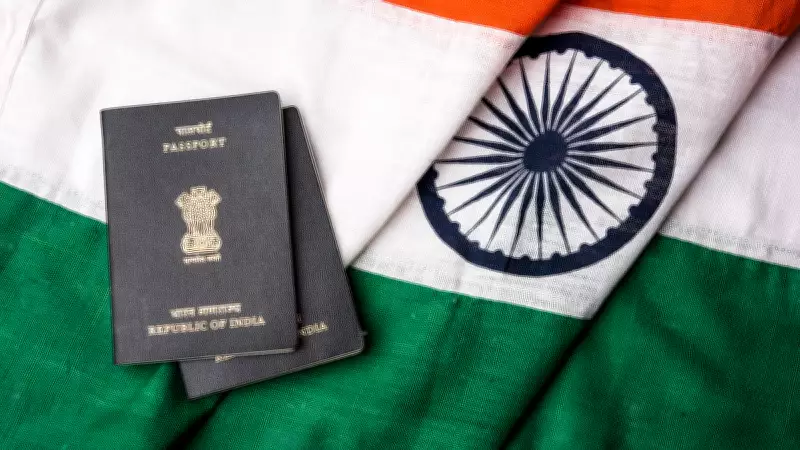
Opposition leaders have sharply criticized the Ministry of External Affairs (MEA) after it stated that a passport is a travel document and not proof of citizenship. The remarks, made on June 24, 2026, sparked a political firestorm, with leaders accusing the government of creating panic and targeting dissenters.
MEA's Statement and Reactions
The MEA's clarification came amid growing confusion over what constitutes valid proof of Indian citizenship. Congress leader K.C. Venugopal tweeted that the government excels in creating panic and helplessness among ordinary citizens. He argued that by declaring a passport insufficient for citizenship verification, the government is laying the groundwork to arbitrarily deny citizenship rights to those it disagrees with.
Trinamool Congress MP Mahua Moitra echoed the sentiment, stating that the only proof of Indian citizenship today appears to be being both Hindu and a BJP voter. She shared a screenshot of the MEA's statement, highlighting the perceived political bias.

Legal and Political Implications
Senior advocate and Rajya Sabha MP Kapil Sibal questioned the MEA's logic, asking which document then serves as proof of citizenship. He warned that the Election Commission's BLO (Booth Level Officer) could doubt his citizenship, deprive him of his vote, and help the BJP win elections, leaving the matter to the Supreme Court.
Javed Akhtar, noted poet and lyricist, expressed disbelief, asking how the government could issue a travel document without being convinced of the holder's citizenship. He called the situation absurd.
Background and Context
The controversy erupted after the MEA's statement on June 24, 2026, which clarified that a passport is a travel document, not a document of citizenship. This has raised questions about the legal framework governing citizenship documentation in India. The Citizenship Act, 1955, and the Passports Act, 1967, are the primary laws governing these documents, but the MEA's remark has created confusion among citizens.
Opposition leaders have demanded a clear explanation from the government on what constitutes valid proof of citizenship, especially in light of the ongoing National Register of Citizens (NRC) and Citizenship Amendment Act (CAA) debates.






