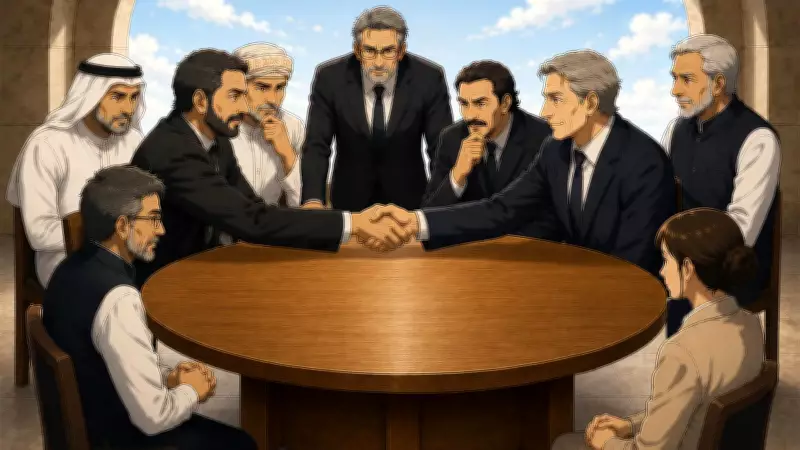
The US-Iran Nuclear Deal: A Case Study in Diplomacy
The Joint Comprehensive Plan of Action (JCPOA), commonly known as the US-Iran nuclear deal, was a landmark agreement reached in 2015 between Iran and the P5+1 countries (the United States, United Kingdom, France, Russia, China, and Germany). The deal aimed to limit Iran's nuclear program in exchange for sanctions relief. Although the agreement faced numerous challenges and ultimately unraveled in 2018 when the US withdrew, it offers valuable lessons for international diplomacy.
Trust and Verification
One of the core components of the JCPOA was a robust verification regime. The International Atomic Energy Agency (IAEA) was granted extensive access to Iran's nuclear facilities, ensuring compliance. This demonstrated that trust must be backed by transparent monitoring. However, the lack of trust between the parties, especially between the US and Iran, eventually contributed to the deal's collapse. The lesson is clear: verification mechanisms are essential, but they cannot substitute for genuine political will.
Multilateralism vs. Unilateralism
The JCPOA was a multilateral achievement, involving multiple world powers. This collective approach gave the agreement legitimacy and spread the burden of enforcement. When the US unilaterally withdrew, it weakened the deal and emboldened other actors to reconsider their commitments. The lesson for future agreements is that unilateral actions can undermine multilateral efforts. Sustainable diplomacy requires sustained engagement from all parties.

Economic Sanctions as a Tool
Sanctions were a key leverage point in negotiations. The promise of sanctions relief incentivized Iran to negotiate, while the threat of snapback sanctions provided enforcement. However, the reimposition of sanctions after the US withdrawal caused economic hardship in Iran and eroded trust. The lesson is that sanctions can be effective but must be used carefully, with clear off-ramps and predictable consequences.
Domestic Politics and International Agreements
The JCPOA was heavily influenced by domestic politics in both the US and Iran. In the US, the deal became a partisan issue, with Republicans opposing it and Democrats supporting it. In Iran, hardliners criticized the deal as a capitulation. This politicization weakened the agreement's durability. The lesson is that international deals need broad domestic support to survive changes in government. Bipartisan or cross-factional consensus can help insulate agreements from political shifts.
Regional Dynamics
The deal did not address Iran's regional activities, such as its support for proxy groups in Yemen, Syria, and Lebanon. This omission allowed critics to argue that the deal was too narrow. Future negotiations should consider regional security frameworks that address a broader range of issues, including ballistic missiles and proxy conflicts.
Lessons for Future Agreements
The US-Iran deal provides a blueprint for what to do and what to avoid. Key takeaways include: building trust through transparent verification, maintaining multilateral frameworks, using sanctions as a strategic tool rather than a weapon, securing domestic political support, and addressing regional concerns. The JCPOA's legacy is a reminder that diplomacy is a fragile process that requires constant nurturing and adaptation.
In conclusion, while the US-Iran deal ultimately failed to achieve its long-term goals, it offers invaluable lessons for future diplomatic efforts. By learning from its successes and failures, the international community can better navigate complex negotiations and build more resilient agreements.