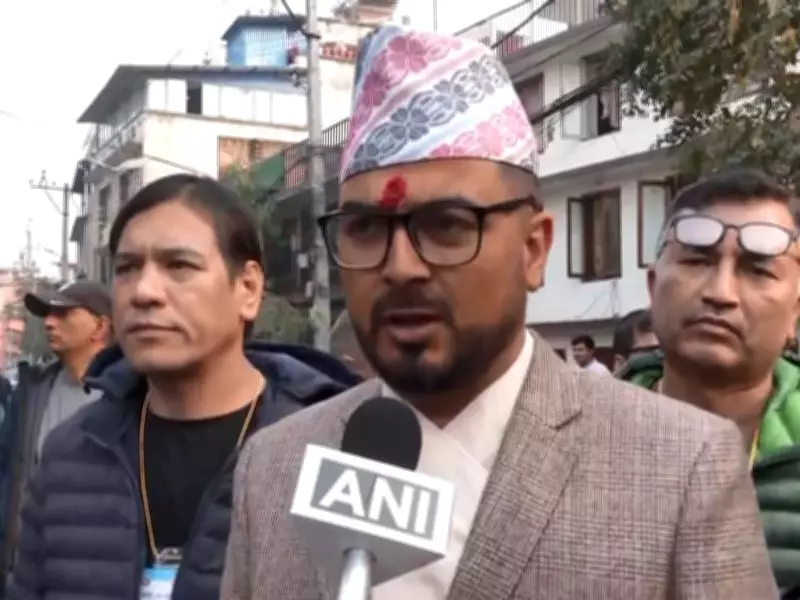
Nepali Congress Candidate Expresses Confidence in Victory Amid Unprecedented Youth Engagement
Sachin Timalsena, a prominent candidate representing the Nepali Congress party in the ongoing elections, has voiced robust optimism about securing a win, highlighting a remarkable surge in youth involvement that he describes as unprecedented in the nation's political history. This development signals a significant shift in voter dynamics, with young people playing a pivotal role in shaping the electoral outcome.
Youth Participation Reaches New Heights
According to Timalsena, the participation of youth in this election cycle has broken all previous records, injecting fresh energy and enthusiasm into the democratic process. He emphasized that this heightened engagement is not just a temporary trend but a transformative movement that could redefine Nepal's political future. The candidate noted that young voters are increasingly vocal about issues such as employment opportunities, educational reforms, and sustainable development, making their voices heard through active campaigning and voting.
Factors Driving Youth Involvement
The unprecedented turnout among young people can be attributed to several key factors:

- Digital Outreach: Political parties, including the Nepali Congress, have leveraged social media and online platforms to connect with younger demographics, making politics more accessible and engaging.
- Policy Focus: Candidates like Timalsena have prioritized youth-centric agendas, addressing concerns such as job creation and skill development, which resonate strongly with this demographic.
- Civic Awareness: Increased awareness campaigns and educational initiatives have empowered youth to understand their voting rights and the impact of political decisions on their lives.
Implications for the Election Outcome
Timalsena's confidence stems from the belief that this wave of youth participation will translate into substantial electoral support for his party. He argued that the Nepali Congress's progressive policies and commitment to inclusive governance align well with the aspirations of young voters, positioning them favorably in the race. This sentiment is echoed by political analysts who suggest that parties successfully mobilizing youth could gain a decisive edge in closely contested constituencies.
As the election progresses, the role of youth continues to be a focal point, with Timalsena urging all eligible voters to exercise their franchise. He reiterated that this election represents a critical juncture for Nepal, where the active involvement of the younger generation can drive meaningful change and stability. The outcome will likely reflect the extent to which political entities have effectively tapped into this demographic's potential, setting a precedent for future electoral engagements.