Nepal's Historic Election: A New Dawn for Democracy and Stability
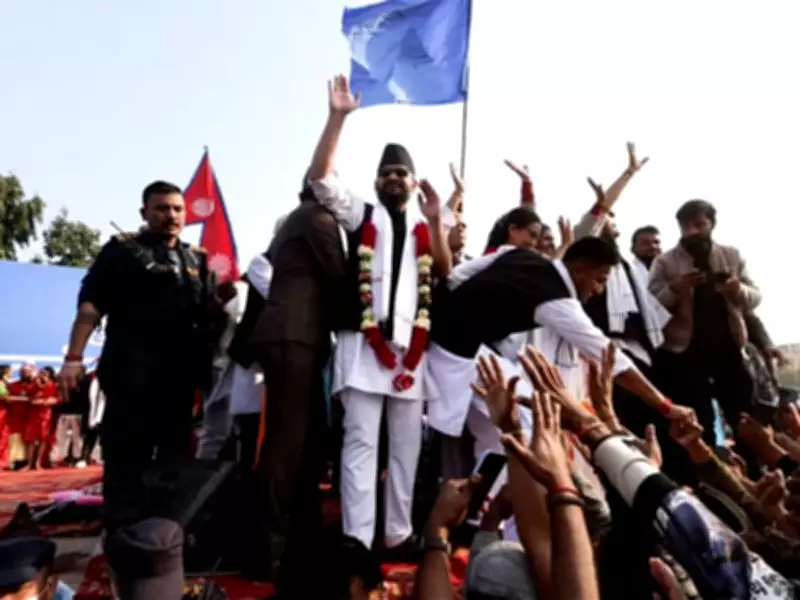
In a landmark event for South Asia, Nepal has concluded its recent elections, with voters casting their ballots in a decisive move that signals a potential shift toward greater political stability and democratic consolidation. This electoral process, held amidst high expectations and widespread participation, is being hailed as a critical juncture in the nation's turbulent political history, offering hope for a more unified and progressive future.
A Nation at a Crossroads
Nepal has long grappled with political instability, marked by frequent changes in government, constitutional challenges, and economic struggles. The elections come at a time when the country faces pressing issues such as economic recovery post-pandemic, infrastructure development, and social cohesion. Voters turned out in significant numbers, reflecting a deep-seated desire for change and a break from the cyclical patterns of political deadlock that have hindered progress.
Key Outcomes and Implications
The election results are expected to lead to the formation of a new government, with preliminary reports indicating a strong mandate for parties advocating for reform and stability. This outcome could pave the way for more effective governance, as the incoming administration will likely focus on implementing policies to address unemployment, improve public services, and strengthen international relations, particularly with neighboring countries like India and China.

Analysts note that the high voter turnout underscores a renewed faith in democratic institutions among Nepalese citizens. Many voters expressed optimism that this election could usher in an era of accountability and transparency, reducing corruption and enhancing the rule of law. The peaceful conduct of the polls, despite some logistical challenges, has been praised by international observers, reinforcing Nepal's commitment to democratic norms.
Challenges Ahead for the New Leadership
While the election represents a positive step, the new government will face formidable challenges. These include managing coalition dynamics, addressing regional disparities, and navigating complex geopolitical interests in the region. Additionally, economic revitalization remains a top priority, with needs for investment in sectors like tourism, agriculture, and technology to boost growth and create jobs.
International Reactions and SupportThe international community has closely monitored Nepal's elections, with many countries expressing support for the democratic process. Neighbors and global partners are likely to engage with the new administration to foster cooperation on trade, security, and development projects. This external backing could be crucial in helping Nepal achieve its goals of stability and prosperity.
In summary, Nepal's recent elections mark a significant milestone, offering a beacon of hope for a nation eager to move beyond political turmoil. As the results are finalized and a new government takes shape, the focus will be on translating this democratic mandate into tangible improvements for the people of Nepal, ensuring that this new dawn leads to lasting peace and progress.