PM Modi Reaffirms India's Commitment to Peaceful Resolution in West Asia
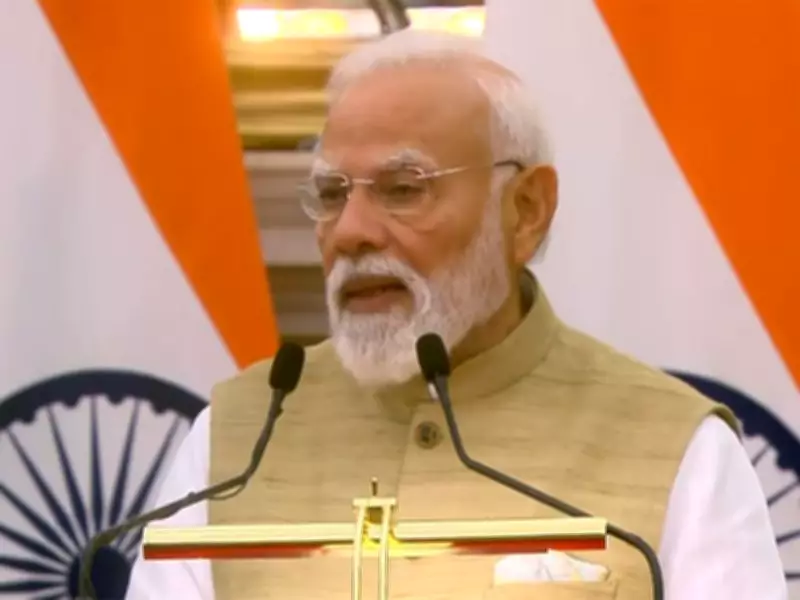
Prime Minister Narendra Modi has once again underscored India's unwavering position on international conflicts, particularly in the volatile region of West Asia. In a recent statement, he emphasized that India has always advocated for dialogue and diplomacy as the primary means to find sustainable solutions to such disputes. This stance reflects India's long-standing foreign policy of promoting peace and stability through non-violent engagement.
India's Consistent Call for Diplomatic Engagement
Modi highlighted that in the face of escalating tensions and conflicts in West Asia, India's approach remains grounded in the principles of peaceful coexistence and mutual respect among nations. He pointed out that dialogue is not just a tool but a necessity for addressing complex geopolitical issues that affect global security and economic stability. By championing diplomacy, India aims to foster an environment where all parties can come to the negotiating table without preconditions.
The Prime Minister's remarks come at a critical juncture, as conflicts in West Asia continue to pose significant challenges to regional and international peace. He stressed that India's voice in global forums has consistently been one of reason, urging all stakeholders to prioritize humanitarian concerns and avoid actions that could exacerbate violence or suffering among civilian populations.

Implications for Global Diplomacy and India's Role
This reiteration of India's stance is seen as a reinforcement of its role as a responsible global actor committed to conflict resolution through peaceful means. Modi noted that India's historical and cultural ties with many nations in West Asia further compel it to advocate for dialogue, as it understands the nuances and sensitivities involved in such disputes. The emphasis on diplomacy aligns with India's broader strategic interests in maintaining stable relations and ensuring energy security, given the region's significance in global oil markets.
Experts suggest that India's position could influence international efforts to mediate in West Asia, as it brings a balanced perspective that often bridges divides between conflicting parties. By calling for inclusive talks, India promotes a multilateral approach that considers the interests of all affected communities, thereby contributing to more durable peace agreements.
Key Points from PM Modi's Statement
- India has consistently urged for dialogue and diplomacy to resolve disputes in West Asia.
- The approach is rooted in India's foreign policy of peace and non-interference.
- Modi emphasized the importance of avoiding escalation and protecting civilian lives.
- India's stance is informed by its deep-rooted connections and understanding of the region.
- This position supports global stability and aligns with India's economic and strategic goals.
In conclusion, Prime Minister Modi's comments reinforce India's principled stand on international conflicts, advocating for peaceful resolutions through sustained diplomatic efforts. As tensions persist in West Asia, India's call for dialogue serves as a reminder of the power of negotiation over confrontation in achieving long-term solutions.