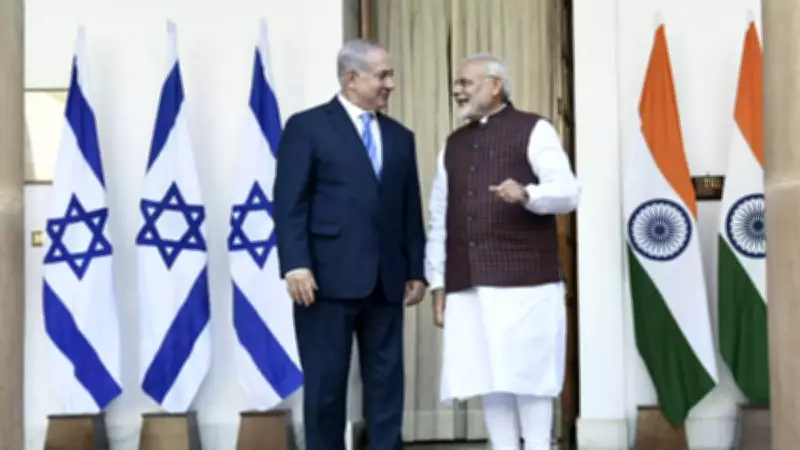
PM Modi's Israel Visit: Netanyahu Proposes 'Hexagon of Alliances' for India
Prime Minister Narendra Modi's recent diplomatic visit to Israel has sparked significant interest in international relations, particularly with Israeli Prime Minister Benjamin Netanyahu proposing that India join a strategic framework known as the 'Hexagon of Alliances'. This initiative aims to bolster regional security and foster deeper economic cooperation among key nations.
What Is the Hexagon of Alliances?
The Hexagon of Alliances is a proposed multilateral partnership envisioned by Netanyahu to include six major countries: India, Israel, the United States, the United Arab Emirates, Saudi Arabia, and Egypt. This framework seeks to create a robust network focused on addressing common challenges such as terrorism, cybersecurity threats, and economic instability in the Middle East and South Asia.
During the discussions, Netanyahu emphasized that India's participation could enhance the alliance's effectiveness, given its growing global influence and strategic interests in the region. The proposal highlights a shift towards more collaborative approaches in diplomacy, moving beyond traditional bilateral agreements.

Key Objectives of the Alliance
The Hexagon of Alliances is designed with several core goals in mind:
- Enhanced Security Cooperation: Joint efforts to combat terrorism and improve intelligence-sharing mechanisms.
- Economic Integration: Promoting trade, investment, and technological exchanges among member nations.
- Regional Stability: Addressing geopolitical tensions and fostering peace through diplomatic dialogue.
- Innovation and Technology: Leveraging the technological prowess of countries like India and Israel to drive innovation in sectors such as defense and agriculture.
This initiative reflects a broader trend of nations seeking to form flexible, issue-based coalitions rather than rigid alliances, allowing for more dynamic responses to global issues.
Implications for India-Israel Relations
PM Modi's visit underscores the strengthening ties between India and Israel, which have grown significantly in recent years through collaborations in defense, agriculture, and water management. Joining the Hexagon of Alliances could further solidify this partnership, offering India a platform to expand its strategic footprint in the Middle East.
Experts suggest that India's involvement might also balance its foreign policy, aligning with its 'Act East' policy while engaging more deeply with Western and Middle Eastern partners. However, it requires careful diplomatic navigation to maintain relations with other key players like Iran and Russia.
Challenges and Considerations
While the proposal presents opportunities, it is not without challenges:
- Geopolitical Complexities: The diverse interests of member nations could lead to disagreements on specific issues.
- Domestic Priorities: India must weigh the benefits against its domestic economic and security needs.
- International Perceptions: Joining such an alliance might affect India's image as a non-aligned nation historically.
Despite these hurdles, the Hexagon of Alliances represents a forward-thinking approach to international cooperation, potentially reshaping regional dynamics in the coming years.
As discussions continue, the world watches closely to see how India responds to this invitation, which could mark a pivotal moment in its foreign policy strategy and global engagements.