Historic Day One of PM Modi's Israel Visit Showcases Symbolic Diplomacy
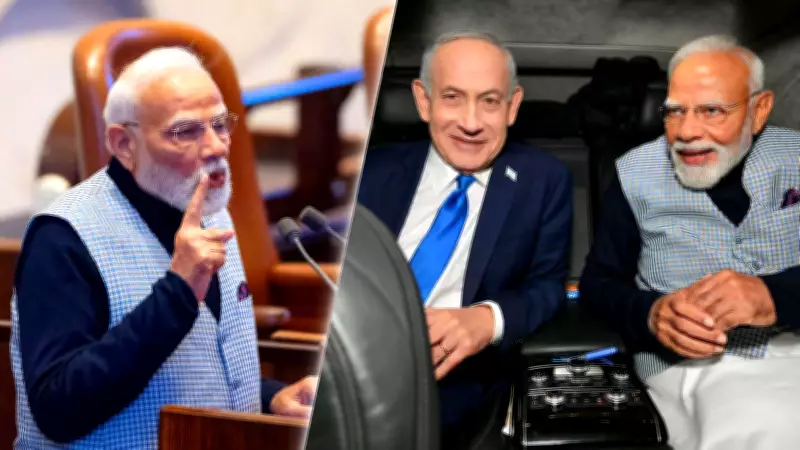
Prime Minister Narendra Modi's inaugural day in Israel was a masterclass in symbolic diplomacy, blending personal rapport with strategic messaging to underscore the deepening bond between the two nations. As the first Indian Prime Minister to address the Israeli Knesset, Modi received a thunderous reception, with lawmakers from across the political spectrum applauding and chanting in a display of bipartisan warmth.
Warm Welcome and Cultural Gestures
Speaker Amir Ohana set the tone by welcoming Modi in Hindi, a gesture that resonated with cultural respect and highlighted the mutual admiration between the countries. Opposition leader Yair Lapid further emphasized the significance of the visit, praising its timing and impact. The enthusiasm was palpable as members of parliament eagerly lined up for selfies with Modi, turning the political event into a moment of personal connection that bridged diplomatic formalities.
Car Diplomacy and Visual Symbolism
The standout visual of the day was the shared car ride between Prime Minister Modi and Israeli Prime Minister Benjamin Netanyahu, a move widely interpreted as car diplomacy. This intimate gesture, captured in media visuals, symbolized the close personal relationship between the leaders and by extension, their nations. Netanyahu enhanced the cultural optics by donning a traditional Indian-style jacket, adding a layer of sartorial diplomacy that underscored the respect for Indian heritage.

Strategic Implications and Future Outlook
Beyond the symbolic acts, the visit signaled a confident and robust India-Israel partnership, built on a foundation of:
- Defence cooperation, with ongoing collaborations in security and military technology.
- Technology collaboration, particularly in areas like cybersecurity, agriculture, and innovation.
- Personal rapport between the leaders, which facilitates smoother diplomatic engagements and policy alignments.
These moments collectively reinforced the strategic importance of the relationship, positioning it as a key pillar in India's foreign policy amidst global geopolitical shifts. The visit not only celebrated existing ties but also paved the way for enhanced future collaborations in trade, technology, and regional stability.