

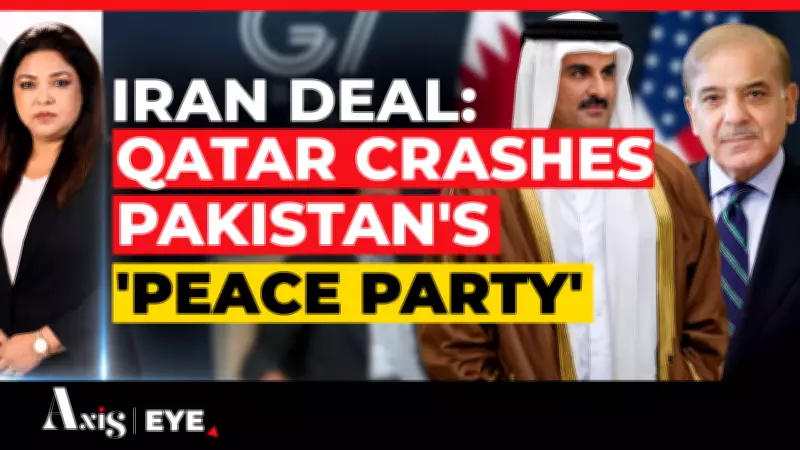
Pakistan thought it had brokered one of the biggest diplomatic breakthroughs in recent Middle East history. Prime Minister Shehbaz Sharif celebrated. Pakistani leaders claimed credit. Defence Minister Khawaja Asif even complained that Prime Minister Narendra Modi did not acknowledge Pakistan's role. But did Islamabad overestimate its importance? As details emerge, a different story is taking shape.
Qatar's Quiet Diplomacy
While Pakistan facilitated contacts and hosted discussions, it was Qatar's quiet diplomacy that appears to have pushed the US-Iran agreement across the finish line. Was Pakistan celebrating too early? And did Khawaja Asif's attack on Modi reveal deeper frustration over losing the spotlight? This report breaks down how Qatar became the real power broker.
Pakistan's Overstated Role
Pakistan's claims of brokering the deal have been met with skepticism. Analysts point out that Qatar has long-standing ties with both the US and Iran, making it a natural mediator. Pakistan's involvement was limited to hosting meetings, while Qatar conducted the actual negotiations.

Khawaja Asif's Frustration
Khawaja Asif's comments targeting Modi suggest a sense of being overlooked. By demanding acknowledgment, Asif inadvertently highlighted Pakistan's diminished influence in the region. The episode underscores the shifting dynamics in Middle East diplomacy, where smaller Gulf states like Qatar play outsized roles.
Implications for India
For India, the episode reaffirms the importance of building strong ties with Gulf nations. India's own diplomatic successes in the region, including the recent India-Middle East-Europe Corridor, contrast with Pakistan's struggles to assert relevance.
Conclusion
The US-Iran deal was a significant achievement, but the credit belongs to Qatar, not Pakistan. Islamabad's premature celebration and subsequent frustration reveal a deeper crisis of relevance in regional diplomacy.






