

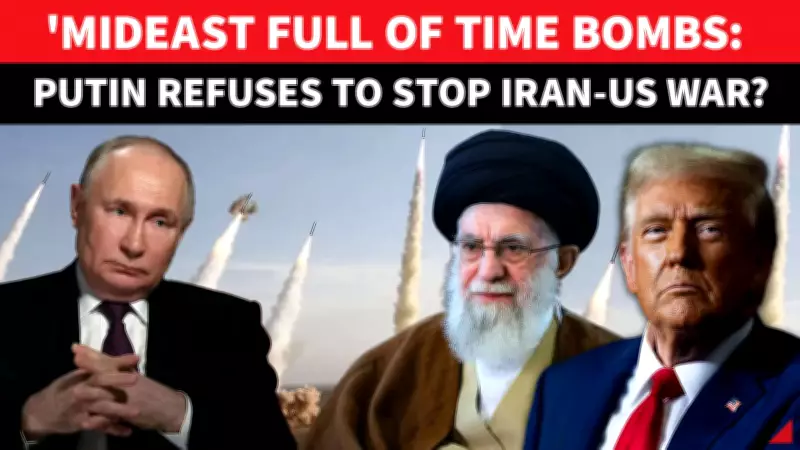
Russia Issues Stark Warning on Iran-US Tensions, Labels Situation 'Explosive'
Russian Foreign Minister Sergey Lavrov has delivered a sobering assessment of the escalating standoff between Iran and the United States, characterizing the current situation as "explosive" and fraught with peril. In a statement that underscores Moscow's growing concern, Lavrov emphasized that the risk of a single misstep could rapidly escalate into a broader regional conflict, threatening stability across the entire Middle East.
Lavrov's Diplomatic Stance and Regional Warnings
While clarifying that Russia does not intend to impose itself as a mediator in the crisis, Lavrov issued a clear warning about the volatile nature of the Iran-US confrontation. His remarks highlight the delicate balance of power in the region, where military posturing and diplomatic maneuvers are creating a tense atmosphere. The Russian minister's comments come at a critical juncture, as multiple factors converge to heighten tensions.
Trump's Blunt Warning to Iran's Leadership
Meanwhile, U.S. President Donald Trump has delivered a blunt and uncompromising message to Iran's supreme leader, stating he should be "very worried" about the current situation. This direct warning from the American president adds another layer of complexity to the already charged diplomatic landscape, reflecting Washington's firm stance amid the escalating crisis.

Regional Players Push for De-escalation
As the situation grows increasingly precarious, regional powers are mobilizing diplomatic efforts to prevent further escalation. Turkey and Egypt are urgently advocating for de-escalation through diplomatic channels, recognizing the potentially catastrophic consequences of military confrontation. Their involvement underscores the widespread concern among Middle Eastern nations about the destabilizing effects of the Iran-US standoff.
Multiple Flashpoints and Military Movements
The current crisis is marked by several concerning developments that are raising alarm bells internationally:
- Ongoing protests within Iran that are shaking the country's political stability
- Significant U.S. military deployments in the region
- Recent incidents involving intercepted drones and confrontations between gunboats and tankers
- Heightened naval activity in strategic waterways
High-Stakes Diplomacy in Oman
All eyes are now focused on high-stakes talks in Oman, where diplomatic efforts are underway to determine whether peaceful resolution remains possible or whether the situation will deteriorate into open confrontation. These negotiations represent a critical opportunity to de-escalate tensions and prevent the outbreak of wider conflict.
The Broader Implications for Regional Stability
Lavrov's warning about the "explosive" nature of the Iran-US standoff reflects broader concerns about regional stability. The crisis has implications that extend beyond the immediate parties involved, potentially affecting:
- Global energy markets and oil transportation routes
- Regional security alliances and partnerships
- International diplomatic relations and power dynamics
- Humanitarian considerations in conflict-prone areas
As diplomatic efforts continue amidst military posturing, the international community watches anxiously to see whether dialogue will prevail or whether the region will descend into greater instability. The coming days will be crucial in determining the trajectory of this dangerous confrontation.






